

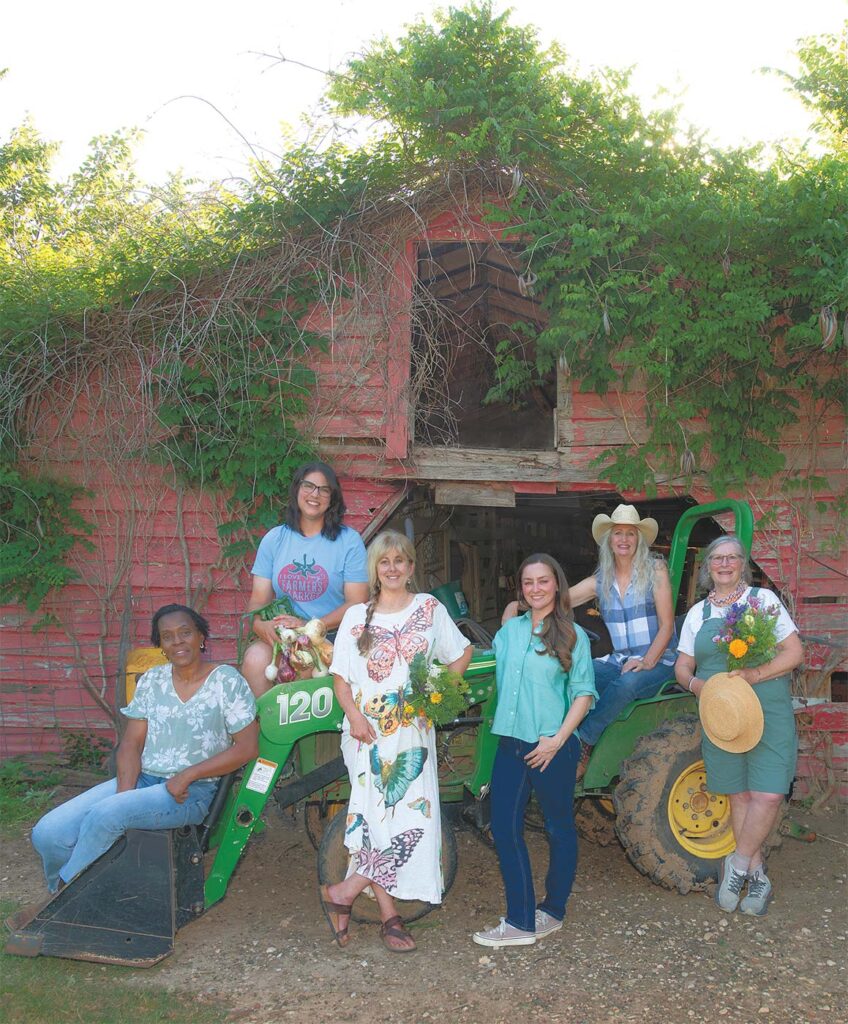
Seven women who helped build the North Texas local food movement look back — and forward
In 2009 — the year of Edible DFW’s birth — the Slow Food movement had begun to captivate the North Texas food scene. After decades of processed foods and factory farming, a system that valued expediency over savoring, the time had come to celebrate the bounty of our own terroir.
New communities emerged around backyard-pastured eggs and hometown brews. At farmers markets and pop-up dinners, growers were celebrated like the rock stars they are, while at community gardens, neighbors connected over freshly planted rows.
Sixteen years later, on a sunny afternoon in May, we gathered seven pioneering women, each with a long history in the North Texas food movement. Their work and stories have shaped the pages of this magazine from the beginning. They are champions for food equity, farmers and educators, connectors and mentors, tirelessly working to inspire a new generation. Each brings unique expertise and perspective. All have coaxed communities into falling in love with what grows close to home.
Here, we asked them what has changed, what their biggest challenges were, and what gives them hope. How do we celebrate how far we’ve come and also continue the forward momentum? Their answers remind us that a food movement, like a garden, is tended but never finished.
AMANDA VANHOOZIER
The OG of gardens and markets
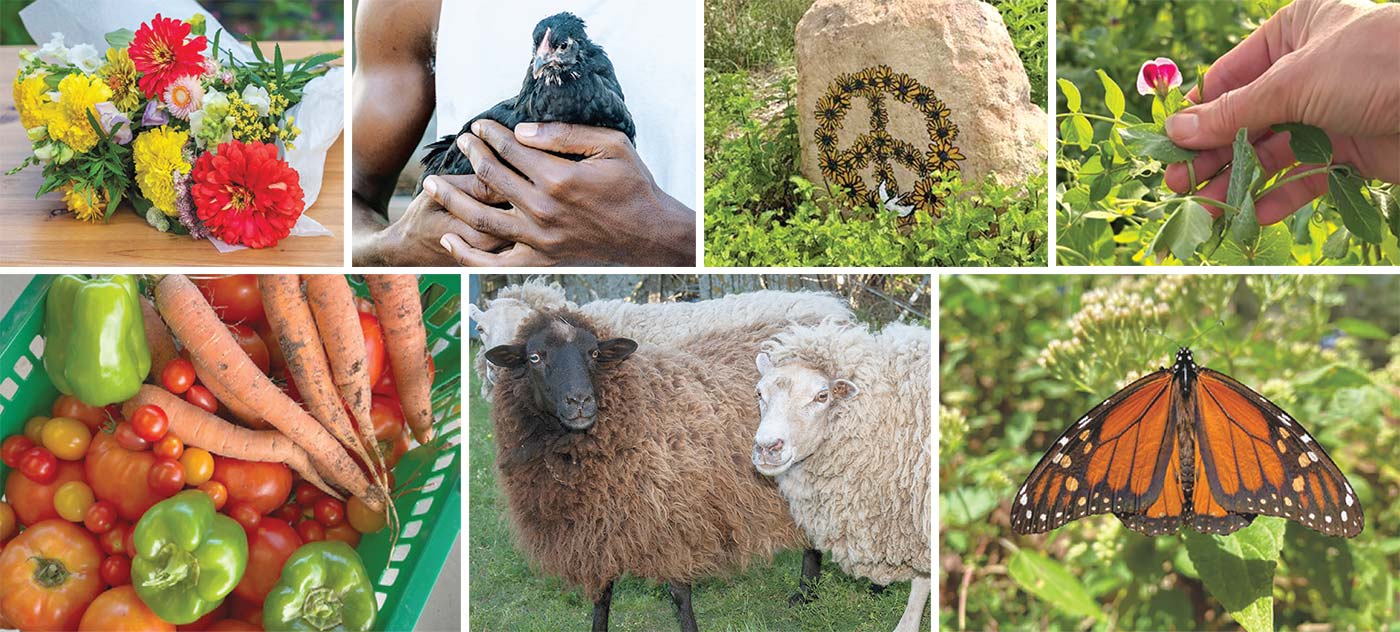
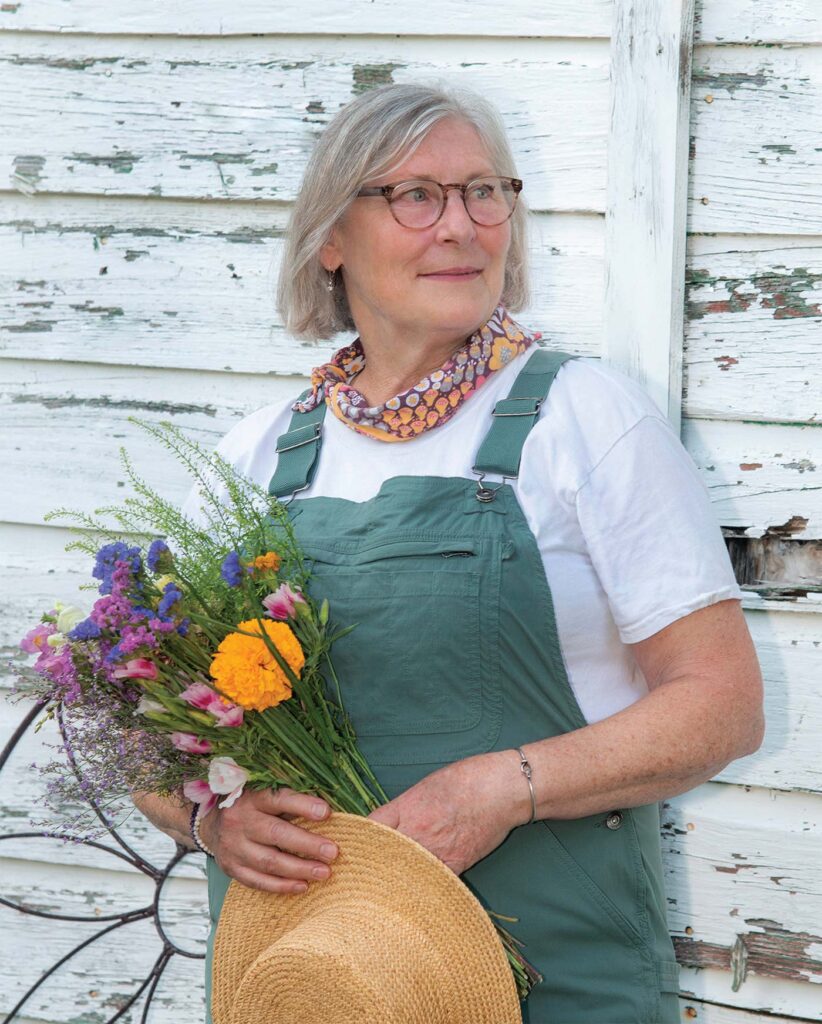
Known as the “doyenne of North Texas farmers markets,” Amanda Vanhoozier has spearheaded myriad initiatives during her 35 years as a local food advocate.
Her strength lies in her willingness to lead, whether in the trenches as a community activist or within organizations like Slow Food DFW or Gardeners in Community Development. She helped nurture the Coppell Farmers Market into existence and has served as director of operations at the Dallas Farmers Market.
“More than ever before, people are seeking better health and experiences that are more authentic,” says Amanda. “Picking up your CSA box from a local farmer — that’s real.”
In the 1990s, when she moved to North Texas, urban farmers markets and community gardens were scarce. She’d explored her grandparents’ Bishop Hill Farm in Ohio and participated in the first U.S. Earth Day as a high schooler before expanding her knowledge of environmental science and education at the University of Kansas.
“Kids are growing up with school gardens now. There are more families and baby strollers at the market. Young people are thinking differently.”
When she visited her Presbyterian missionary parents in Thailand as a young adult, she was dazzled by the vibrant food markets there. She wondered why folks in her hometown weren’t buying straight from the source. Once back in Kansas, she organized a farmers market in a church parking lot.
Later, she brought the same mindset to her work at Coppell’s Stringfellow School, building gardens filled with vegetables, flowers and butterflies for the preschoolers. Her handiwork so impressed City Manager Jim Witt and council members that they commissioned her to design a community garden beside City Hall.
It would take time for officials to embrace Amanda’s vision of a farmers market with the right mix of local farmers and ranchers. But she repeated her vision to all who would listen until it became a reality in 2003.
Today, Coppell Farmers Market is a premiere destination for local food lovers, while the city’s three community gardens and greenhouse grow fresh produce for neighborhood food pantries.
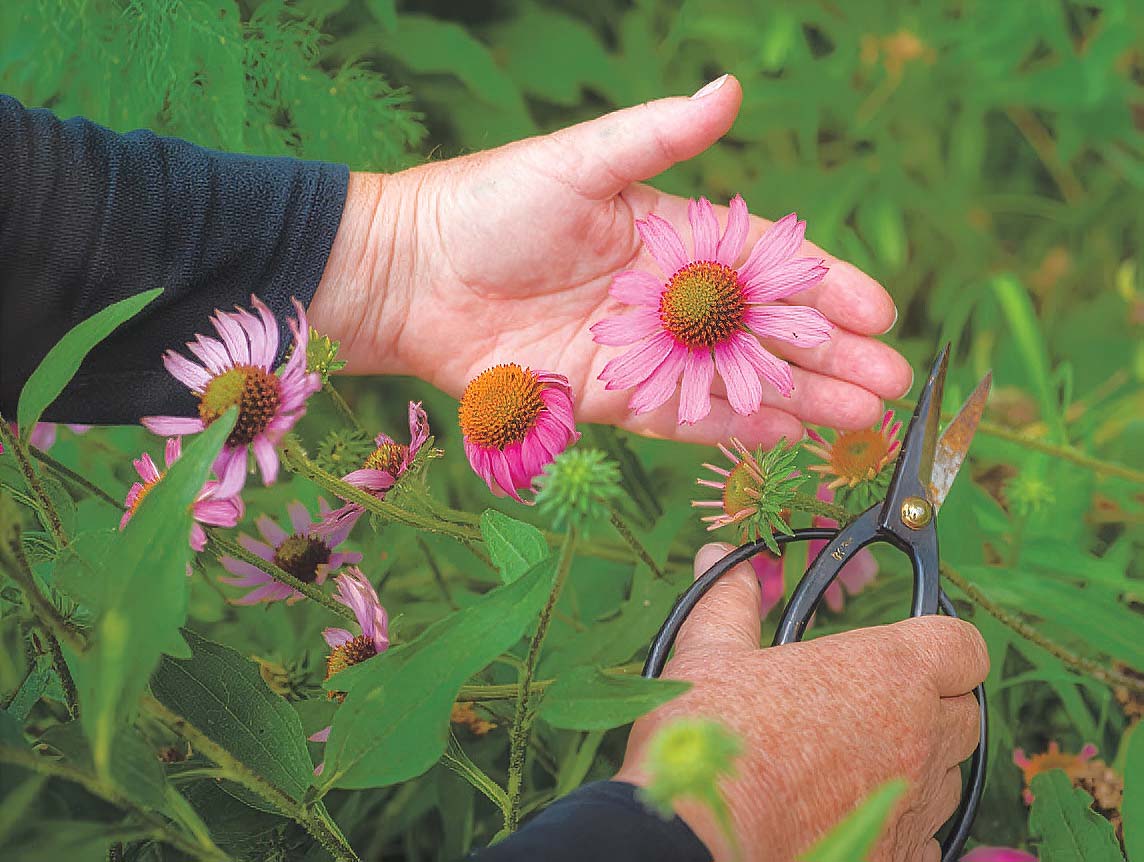
“Kids are growing up with school gardens now,” Amanda says proudly. “There are more families and baby strollers at the market. Young people are thinking differently.”
In 2017, she fulfilled a life-long dream and opened Bishop Hill Farm Flowers, named in honor of her grandparents. “I looked around the market and thought ‘Where are the fresh-cut flowers?’ Ninetynine percent were coming from out of state.”
She relishes her role among a new generation of flower farmers, mostly women under age 40 with no farming experience. “They’re building on what we started and taking it into the future,” says Amanda.
As for the women with whom she shares this story: “I believe we are all still making a diFFerence.”
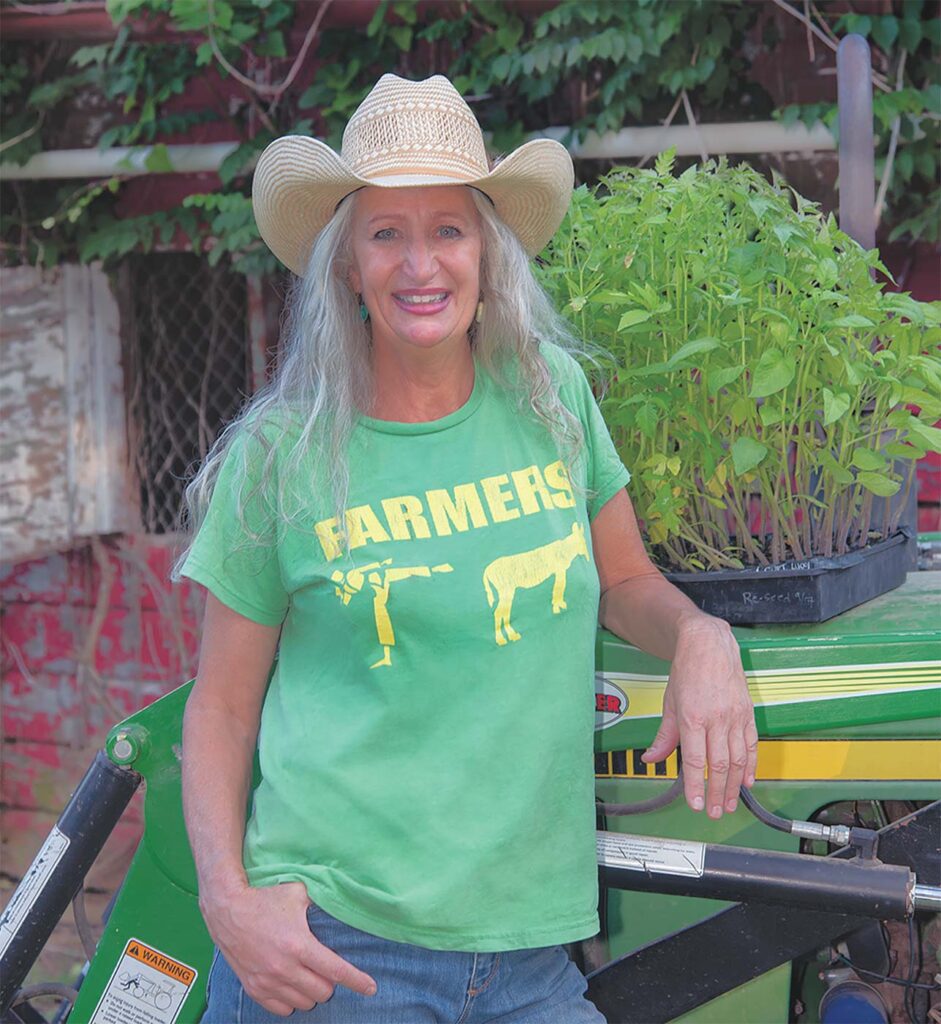
MARIE TEDEI
Building the little farm that could
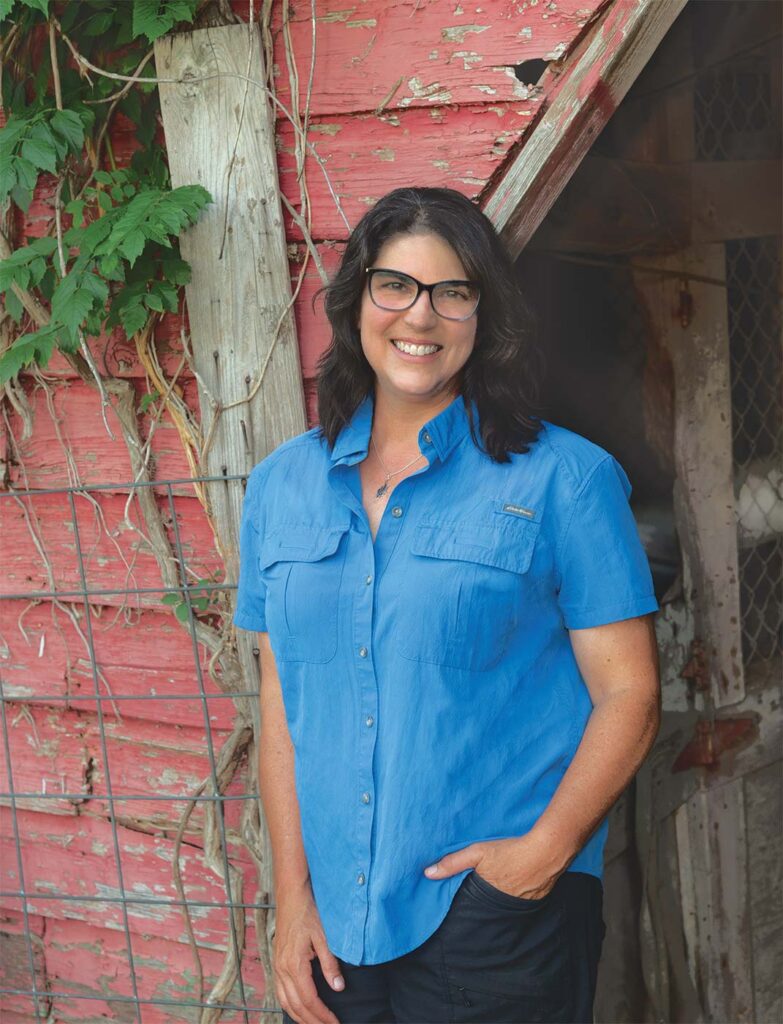
For 18 years, Marie Tedei of Eden’s Garden CSA Farm has journaled about the joys and challenges of being a small farmer: the excitement at the first signs of green, the agony of summer’s dry spells, and the dog-tired satisfaction at the end of a hard day. Candid and heartfelt, Marie’s blog has given a transparent account to the members of her CSA (Community-Supported Agriculture) program who joined her on the journey. The CSA model asks members to contribute toward the farm’s budget and in return, they receive a weekly share during the harvest.
In this cooperative arrangement, Marie has relished the one-on-one relationships with her CSA families. “It gets into your blood, when you look at your supporters and know they are counting on good, clean food they can trust,” she wrote on her blog in 2009. Later, she described the delight on the faces of her volunteers as they pulled up their first harvest: “We grew that!”
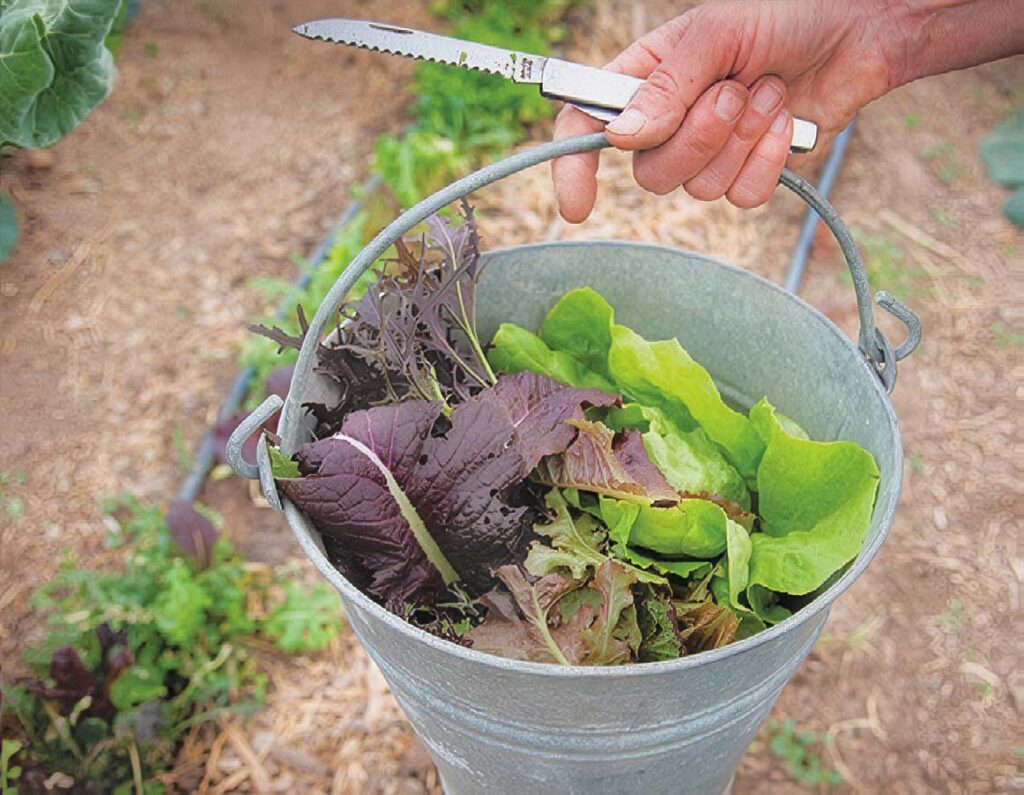
“It’s not leaving a legacy that’s important to me; it’s leaving this land in good hands.”
Her original operation was an organic garden center, but as the buzz about “clean food” grew louder, she felt the calling to change course. She had been hosting a weekly farmers market, but when she couldn’t find enough farmers, she jumped into the game herself. She sent emails to her garden center customers, explaining the CSA model and, almost immediately, people began sending checks.
“The country needs more small farmers,” Marie wrote then. “And I feel honored to have the opportunity to do it.”
Though she’d studied horticulture and soil science at Collin County Community College, she had no idea of the hardships she’d face. “At times, it was a comedy of errors,” she says, laughing. She would find her stride and deliver her promise.
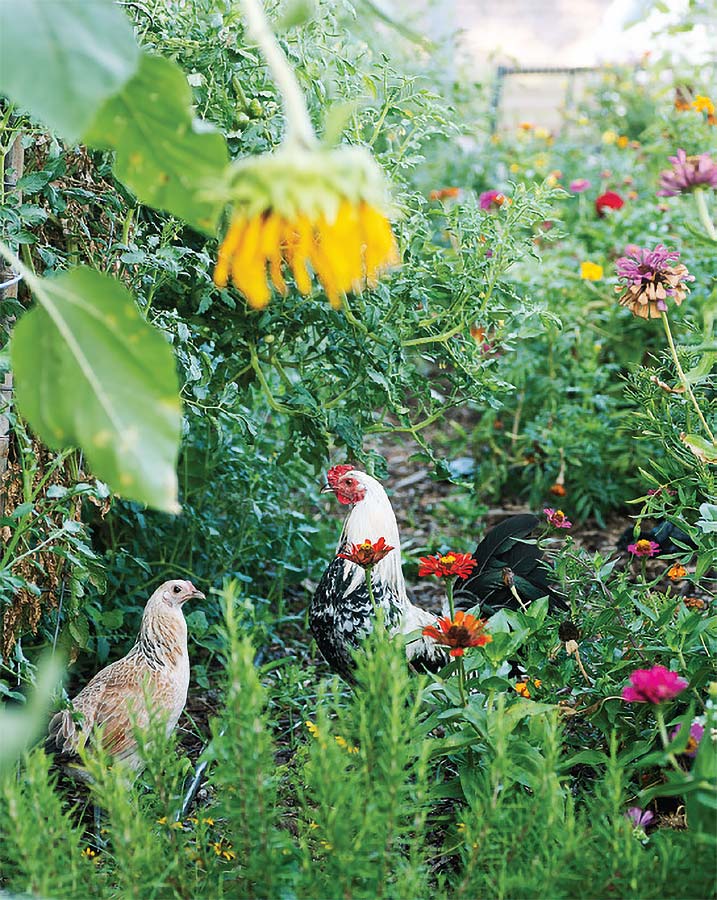
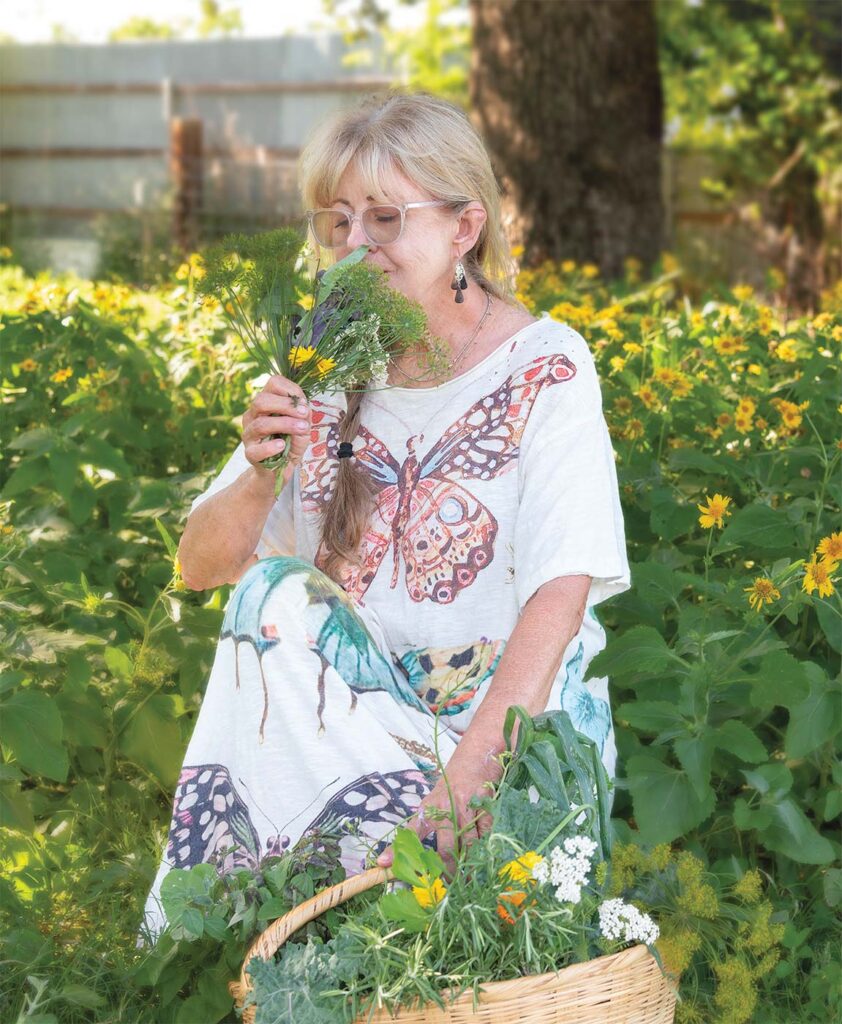
Over the years, Marie’s farm has been a gathering spot. (It was the backdrop of this story’s photoshoot.) On a memorable night in 2010, she hosted the first Chefs For Farmers event, a 100-person farm-to-table dinner that paired eight chefs with local farmers and ranchers. To those of us who attended, it felt like the beginning of something special.
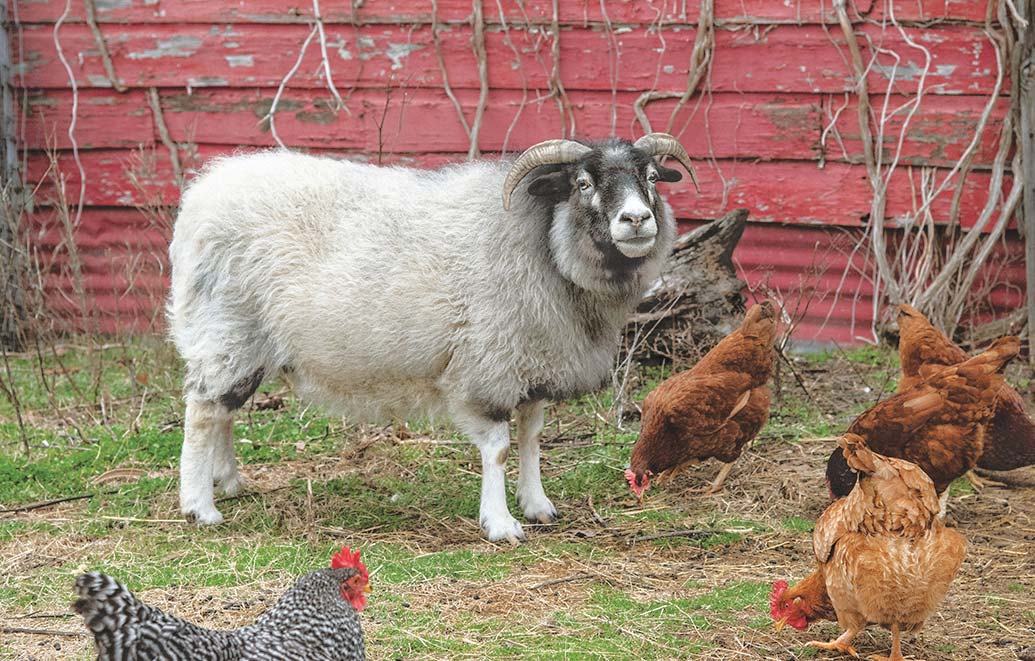
As she makes plans to turn over the reins to a mission-aligned group, she reflects on her role as a facilitator of a movement.
“You can’t imagine what it has meant to me — a kid who grew up on a slab of cement in Chicago — to have 14 acres to roam, to tend and share with others. It’s not leaving a legacy that’s important to me; it’s leaving this land in good hands.”
edensfarm.blogspot.com
edensorganicgardencenter.com
SUSIE MARSHALL
The connection-maker
It started with surplus produce — farms with more than they could sell, and Susie Marshall trying to figure out where it should go. That early math, simple as it sounds, became the animating logic of everything she has built since: Find what exists, find what’s needed and close the distance between them.
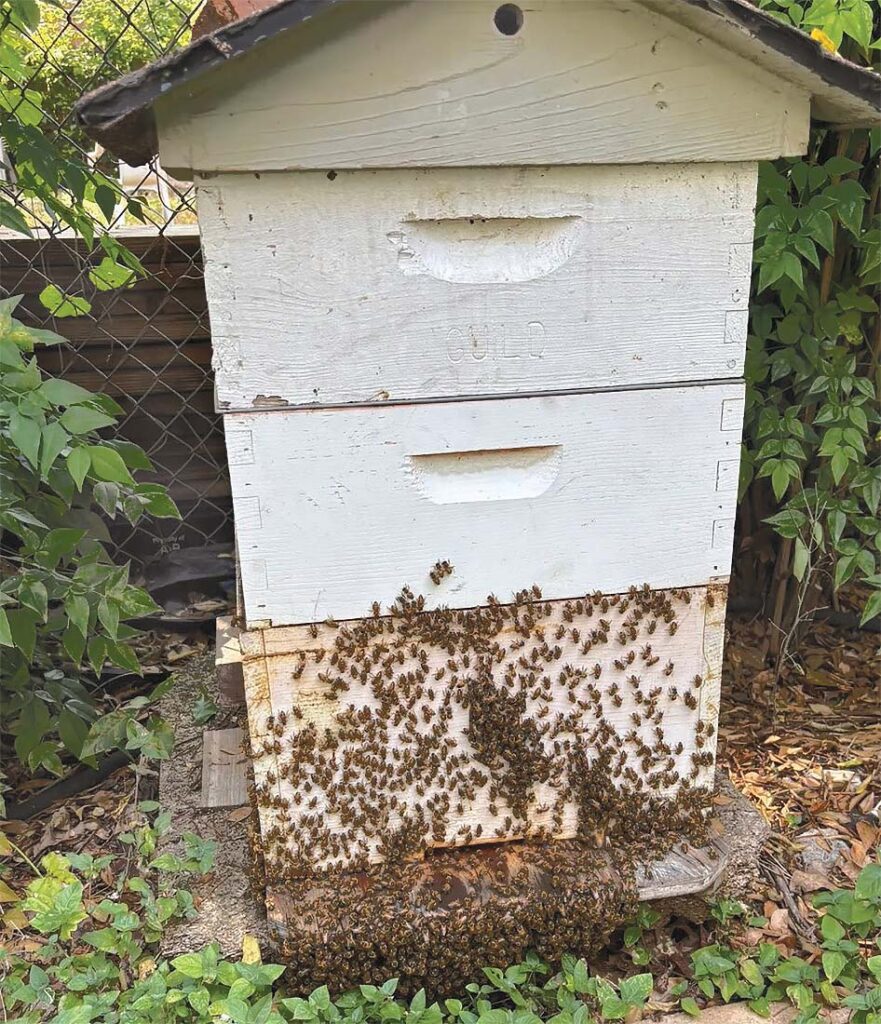
Susie is the force behind Grow North Texas, an organization that has spent nearly two decades knitting together the region’s local food system, connecting small farmers to market outlets, bringing fresh produce to families who can’t easily reach a farmers market and teaching people how to grow. The work is subtle by design. “It’s more of a systems change approach,” Susie says. “We’re not trying to put a Band-Aid on things.”
“We build a happier future when we’re in collaboration with each other. ”
PHOTO COURTESY OF GROW NORTH TEXAS
One flagship program is the Fresh Stop Farm Stand program at WIC clinics, now in its eleventh year. Federally funded vouchers — $30 per person — can be spent only on local produce. Grow North Texas handles the logistics, the paperwork and farmer relationships. Families get access to treeripened peaches. “It’s an easy way to provide increased nutrition,” Susie says. “But it’s also a joyful thing to get a good-tasting piece of fruit.” Mothers who qualify return year after year. Last year the program moved $60,000 in locally grown produce between April and October.
Grow North Texas anchors much of its work at Owenwood Farm in East Dallas, a community garden and gathering place where volunteers learn alongside farmers and where workshops run from irrigation installation to shade cover use to sourdough baking with locally milled grain.
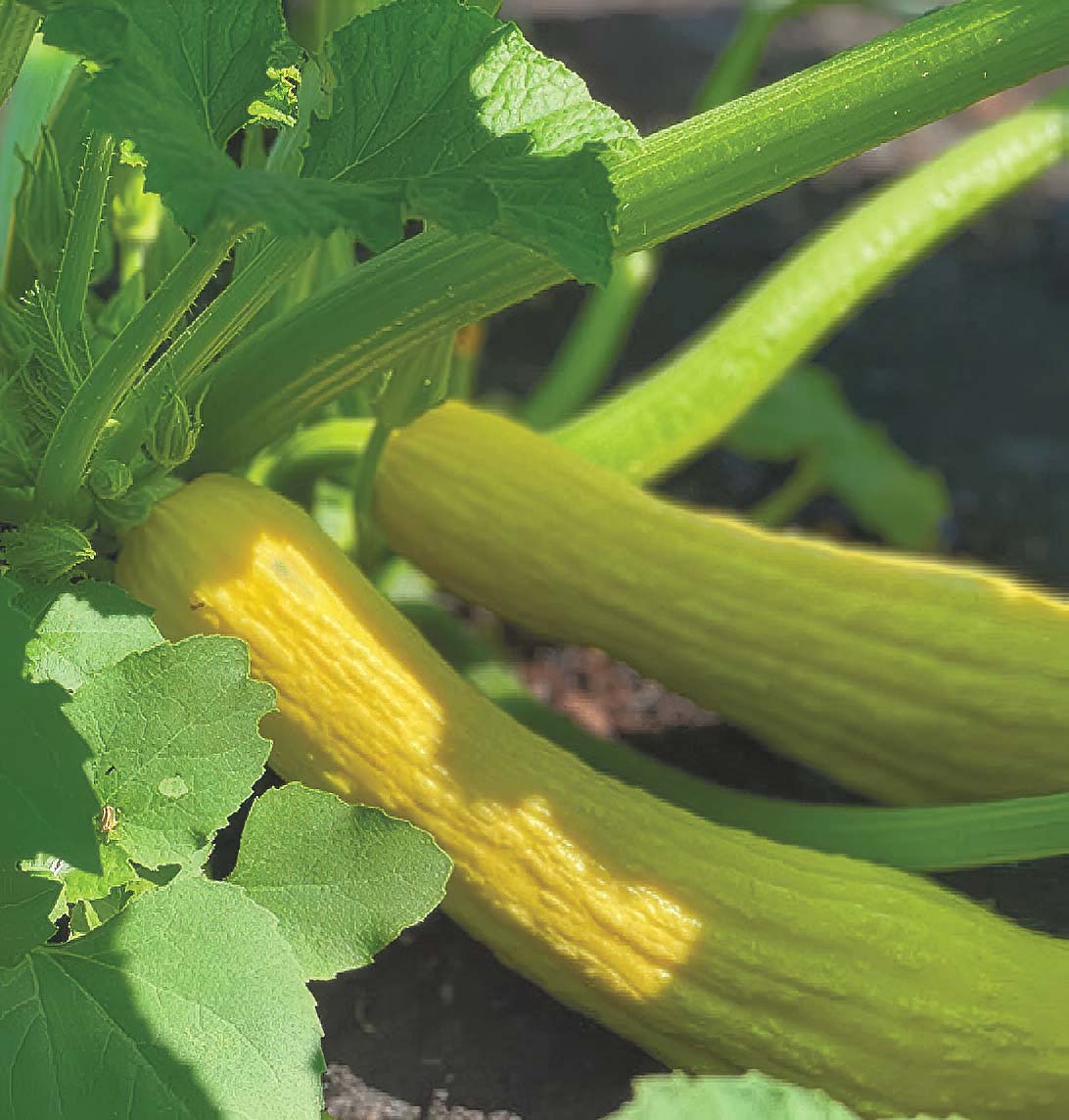
That same connective instinct extends to the policy level: Through a USDA urban agriculture initiative, Grow North Texas has helped small and urban farmers access federal programs that were previously out of reach, teaching the practices and paperwork that could open doors.
“That’s one of the joys of a local food system,” Susie says. “There can be a sense of belonging.” While other environments can feel fractured or competitive, she sees only collaboration: farmers, eaters, growers, educators, each with a role and an impact.
“We build a happier future,” she says, “when we’re in collaboration with each other.”
Kim High
Farming a desert
Kim High believes in the restorative power of food. “Food is medicine,” she says. “It heals people — and communities.”
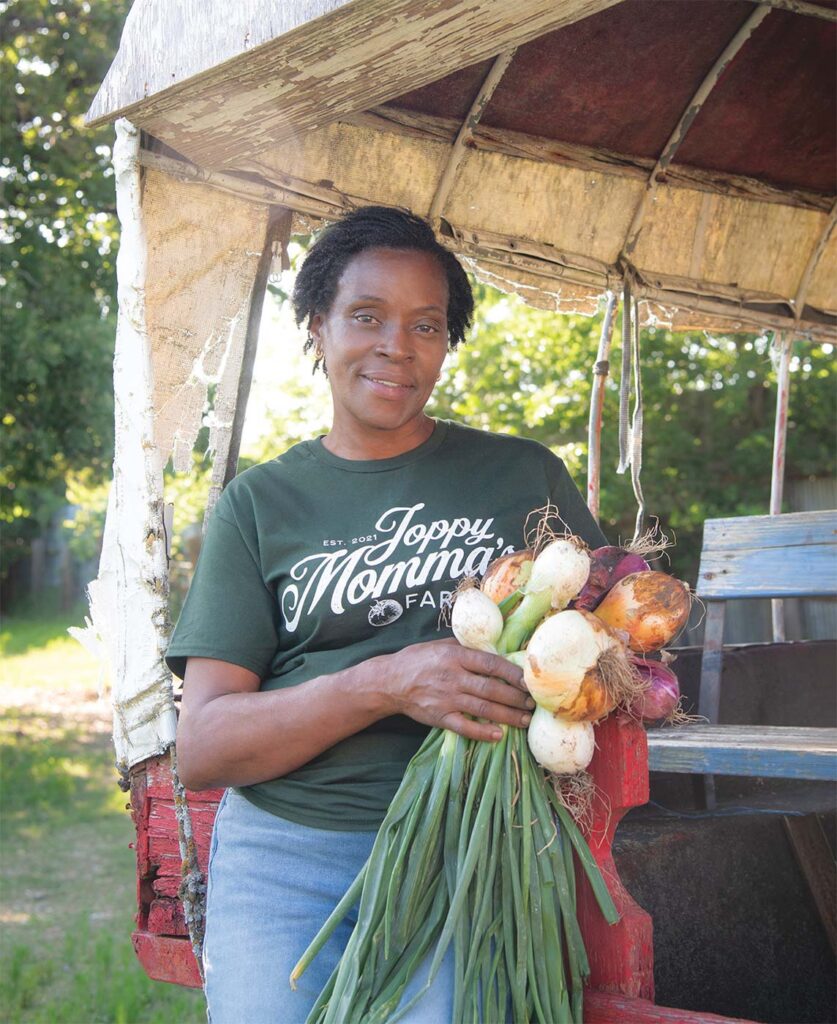
She launched Joppy Momma’s Farm in 2021, aiming to bring fresh produce back to the historic Joppa neighborhood where her family has lived for generations. Without access to grocery stores or farmers markets, she and her neighbors were existing in a food desert that harbored some of the city’s highest rates of heart disease, high blood pressure and diabetes. Her mission was fueled by her own health journey and memories of her greatgrandmother, Annie Collins Horn (aka Joppy Momma), who had been generous with her garden’s harvest.
Years earlier, Kim was blindsided by a diagnosis of Type 2 diabetes, a condition that despite family history, she thought she could avoid. “I had watched so many around me relying on pills,” she says, “and I didn’t want that.” She said a prayer, quit her desk job at an insurance company and began to search for a healthier path.
“Food is medicine. It heals people — and communities. ”
A chance visit to a neighborhood not far from her own introduced her to community activist Daron Babcock, founder of Bonton Farms, a nonprofit oasis Kim would help build over the next few years.
“Daron created what looked like the Garden of Eden on the side of his house,” she says. “He was restoring the neighborhood through food. I was determined to learn more.”
Next, she was tapped by Paul Quinn College to manage We Over Me Farm, built on a converted football field. During the pandemic, they gave away thousands of pounds of food to neighbors and food pantries.
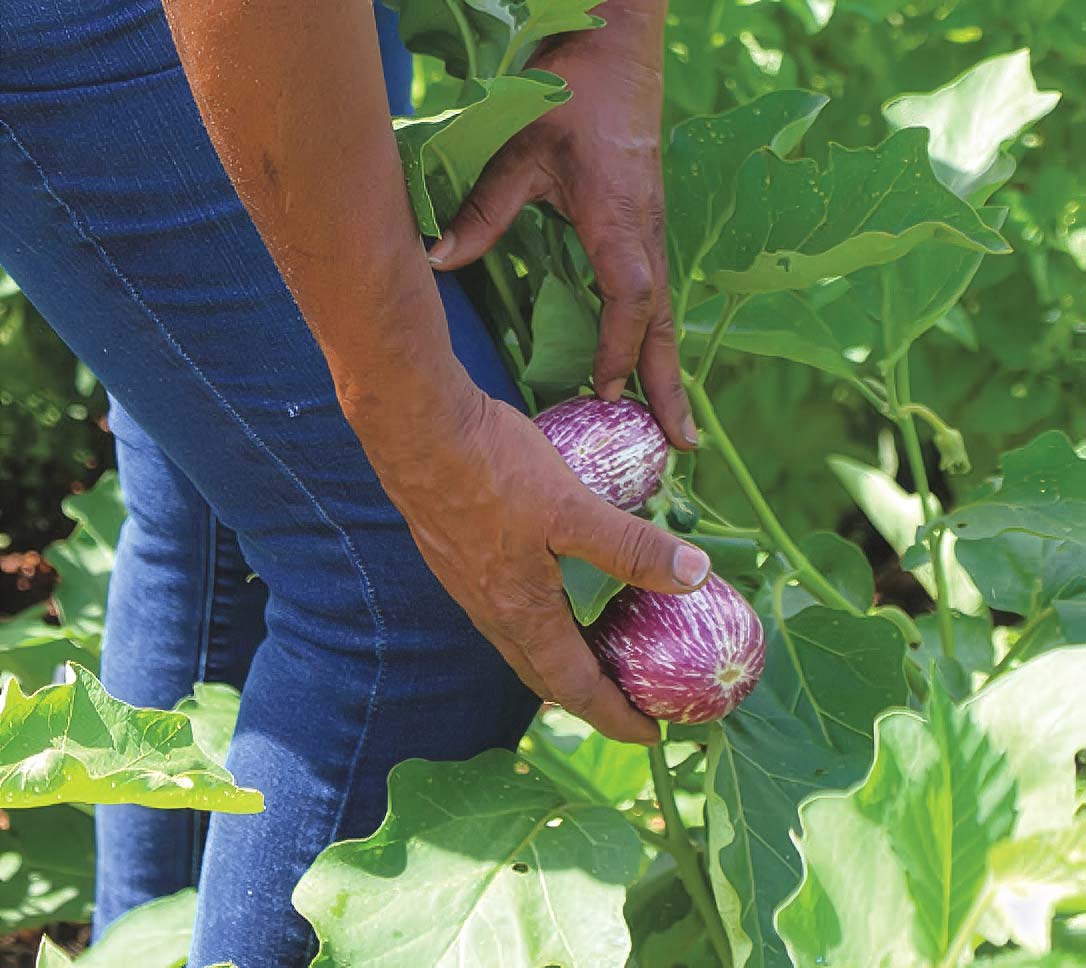
Kim now divides her time. Mornings are in the Wilson Historic District’s Liberty Street Garden with the women of New Friends, New Life, an organization aiding survivors of human trafficking. Afternoons, she’s at Joppy Momma’s, tending to the legacy garden that once belonged to her great-grandmother.
After years of hard work, the farm is finding much-needed support and plans are underway for expansion. Soon, they’ll be breaking ground for a market where neighbors can purchase healthy foods. Also in the works, a gathering house with a commercial kitchen for canning and teaching cooking classes.
“I’m most proud that I’ve stayed the course,” Kim says. “Farming is hard work, but I’ve persevered.”
joppymommas.org
newfriendsnewlife.org/libertystreetgarden
KIM WHALEN
Ambassador of hope
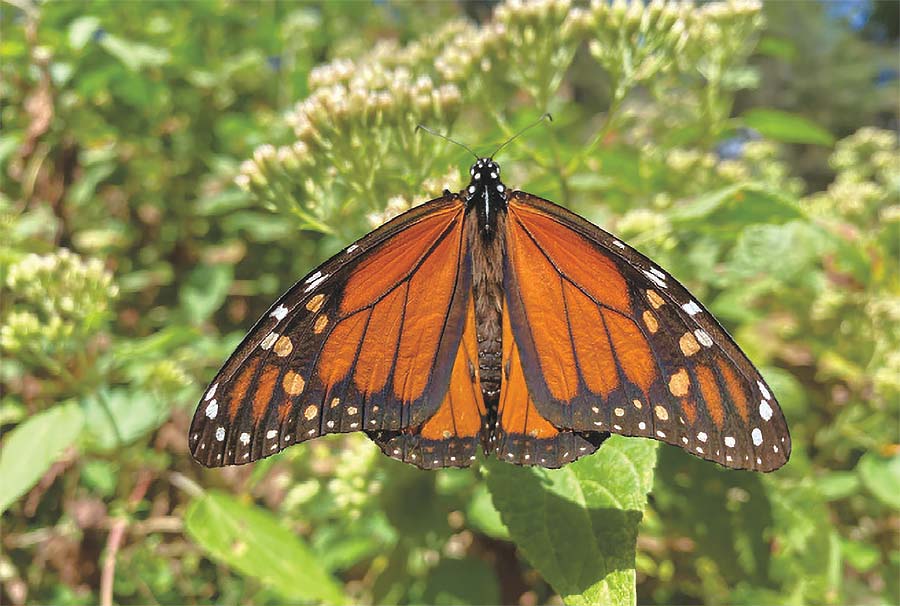
Kim Whalen will tell you that children aren’t outside enough. She’ll tell you they’re missing the Monarch butterfly migration, the ladybug cycle, the moment a seed becomes a plant. She’ll say it gently, but she means it as an alarm.
“They’re missing the wonder, the awe, the beauty,” she says. For Kim, a former Dallas schoolteacher turned garden-based education evangelist, these are life’s essentials.
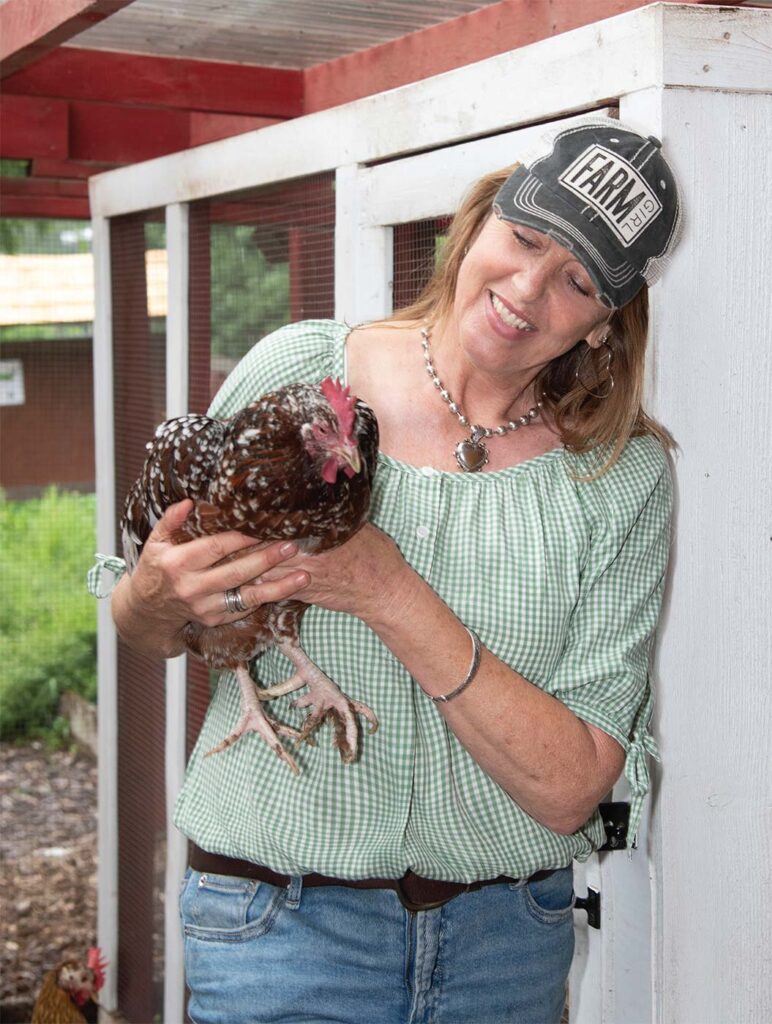
Kim spent her career as a Dallas schoolteacher, and it was in her final three years at Moss Haven Elementary in Richardson that the alarm became a movement. She had always taken her special education students outdoors. When parents asked about a school garden, the principal’s answer was simple: “Go talk to Kim. She’s never inside.” With no local models to follow, she looked to places like San Francisco and organizations like the Whole Kids Foundation, then brought what she learned back to North Texas. Soon kindergarteners at Moss Haven grasped erosion, a fourth-grade concept, and the children became her most eloquent advocates.
“The littles are agents of change. If they eat kale, their parents are going to put kale on the grocery list. ”
PHOTO COURTESY OF GROW GARDEN GROW
“It’s super powerful when a 5-year-old says they understand climate change and that we’ve got to do better,” she says.
Kim went on to write the protocol for Richardson ISD’s school gardens and chicken coop care. After COVID, she began teaching teachers, schools and entire districts how to build and sustain gardenbased learning programs. She founded Grow Garden Grow, a for-profit enterprise now serving roughly 9,000 children a month across multiple school districts, and the nonprofit NTx School Garden Network that trains and connects educators, schools and communities so they can create their own programs. She also works with Slow Food nationally and internationally (particularly the Snail Kids program), championing what she calls “the littles”: Toddlers and young children who are, she believes, the movement’s most underserved and most powerful constituency.
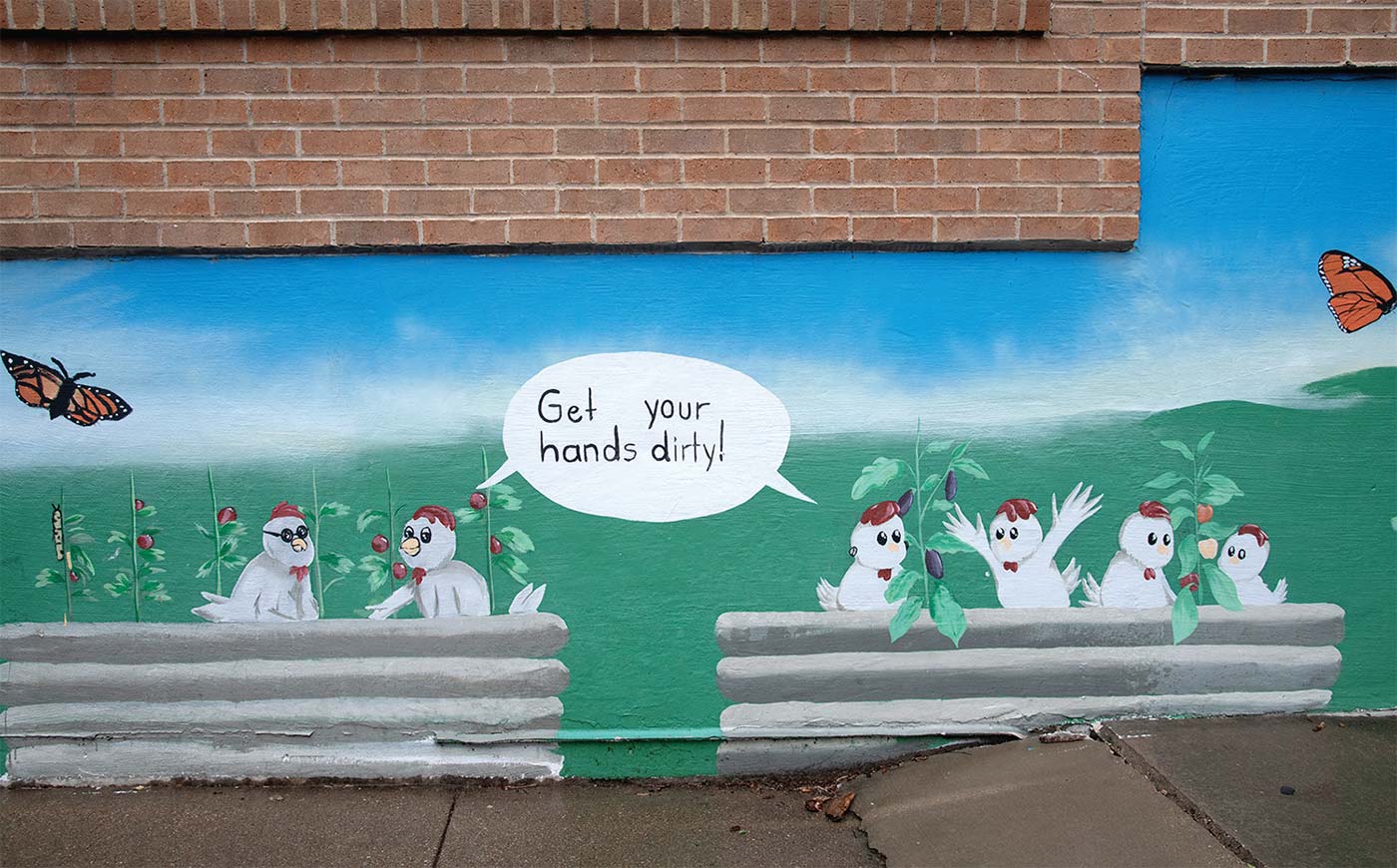
“The littles are agents of change,” Kim says. “If they eat kale, their parents are going to put kale on the grocery list.”
For Kim, the future is garden-based education in schools state-wide, including a focus on native plants. She learned to love the land from her grandfather, a farmer. Now she’s passing that love forward — one small, curious hand at a time.
growgardengrow.org
ntxschoolgardennetwork.org
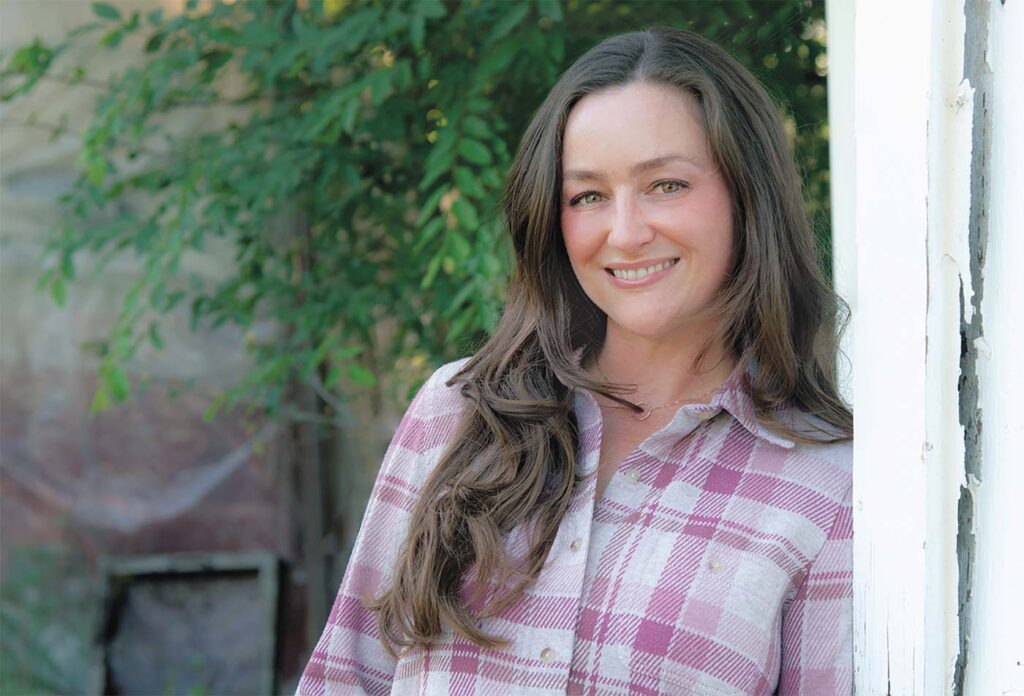
MEGAN NEUBAUER
Pick-your-own success
On the cover of EDFW’s 2015 Summer issue, Megan Neubauer of Pure Land Farm peeks out from behind a leafy handful of garlic bulbs, grinning.
The photo shoot had been a family affair with her dad and farming partner, Jack, her husband Allan, and mom Sarah holding baby Quinn. Six years earlier, the younger couple had left their jobs in California and moved to Texas to be closer to her parents, who settled here after years of working abroad.
Suburban neighborhoods now surround the 28-acre property in McKinney where Megan and her dad have farmed together for 15 years using regenerative practices that emphasize soil health.
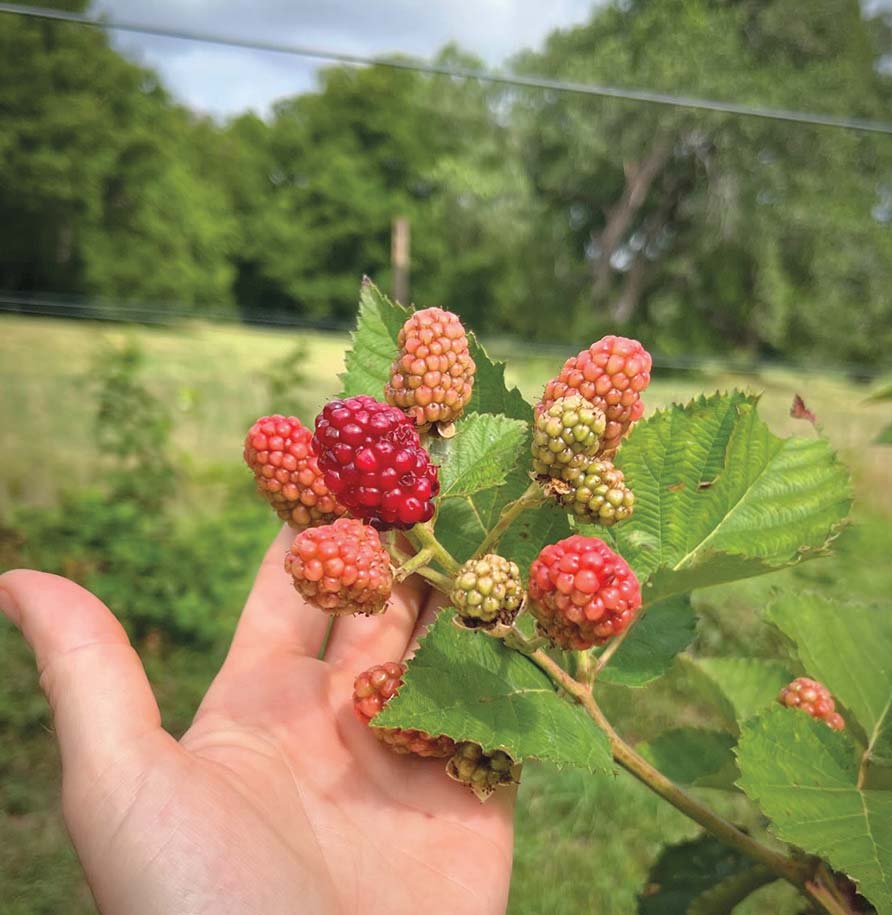
Their produce has long been prized by local chefs and at farmers markets. But in 2017, struggling to make a profit, they set out to find a better way of doing business and began welcoming visitors to harvest their own fruits, vegetables and flowers.
“We’ve connected thousands of people to our land. And that’s what make me the proudest. ”
PHOTO COURTESY OF PURE LAND FARM
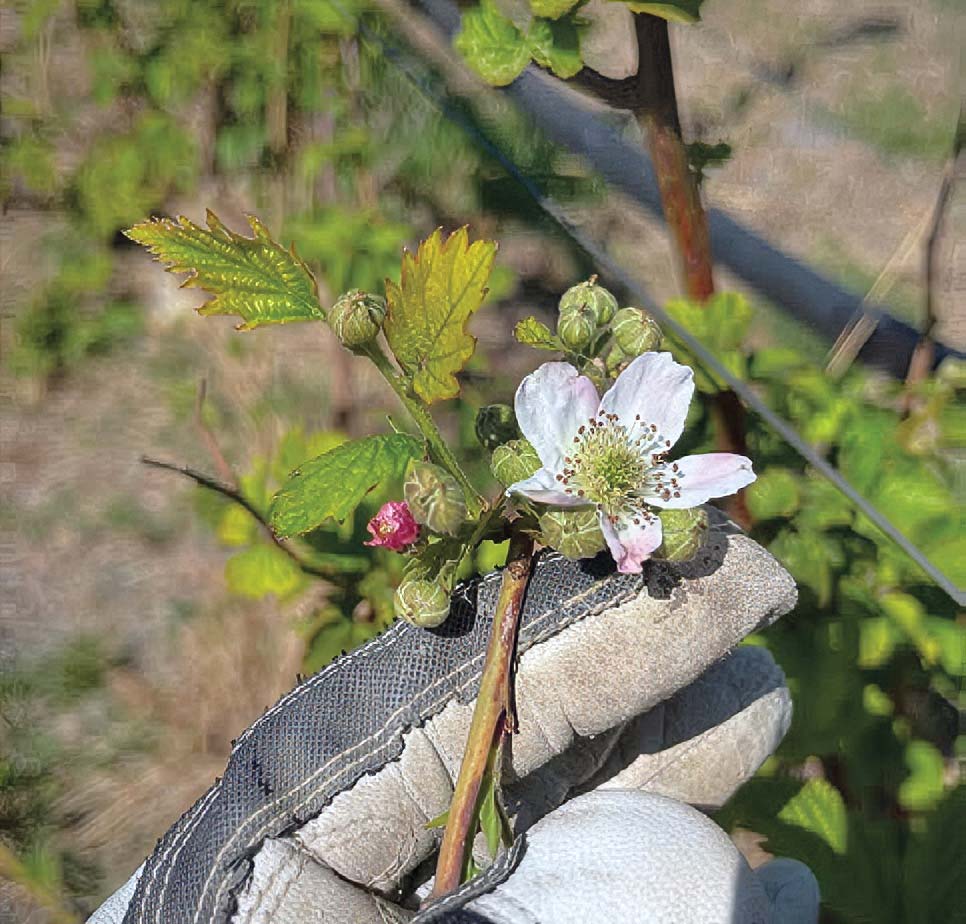
“Farming is very labor-intensive,” Megan says, “but the ‘pick-your-own’ model flips that.” They now focus on planting and growing and let their eager customers do the picking. “It’s given us the resources to plant more,” she says. “We tiptoed into it with berries first and then opened the entire farm.”
They hadn’t anticipated the strong community connections they would foster. “It’s an amazingly diverse group whose common ground is fresh food,” she says of the P-Y-O crowd. “They’ve embraced us and know our first names.”
Megan is passionate about sharing the merits of agritourism with other growers. In 2023, she released Pick-Your-Own Farming (published by Acres USA). She also spreads the word on podcasts and offers online classes.
Her new book, Eat Like A Farmer, upcoming with Chelsea Green Publishing in March 2027, is part cookbook, part guide, helping newbies navigate local food sources. In it, Megan has curated 80 of her favorite easy and vegetable-forward seasonal recipes. Though the emphasis is on local produce, the recipes reflect the global flavors of her childhood abroad.
“I remember being in a cherry orchard in the Middle East when I was 8 or 9 and thinking, ‘This is the most incredible place I’ve ever been in my life!’” she says.
This is the experience she hopes for everyone, whether on a visit to a farmers market or an excursion to a farm, like her own. “We’ve connected thousands of people to our land,” she says. “And that’s what makes me the proudest.”
ELIZABETH DRY
The food farm queen
The mayor of Mineola wore a 24-carrot crown. Children paraded through garden rows, singing into carrots they were about to eat — carrot-okee, Elizabeth Dry called it. It was funny and wonderful, and that was entirely the point.
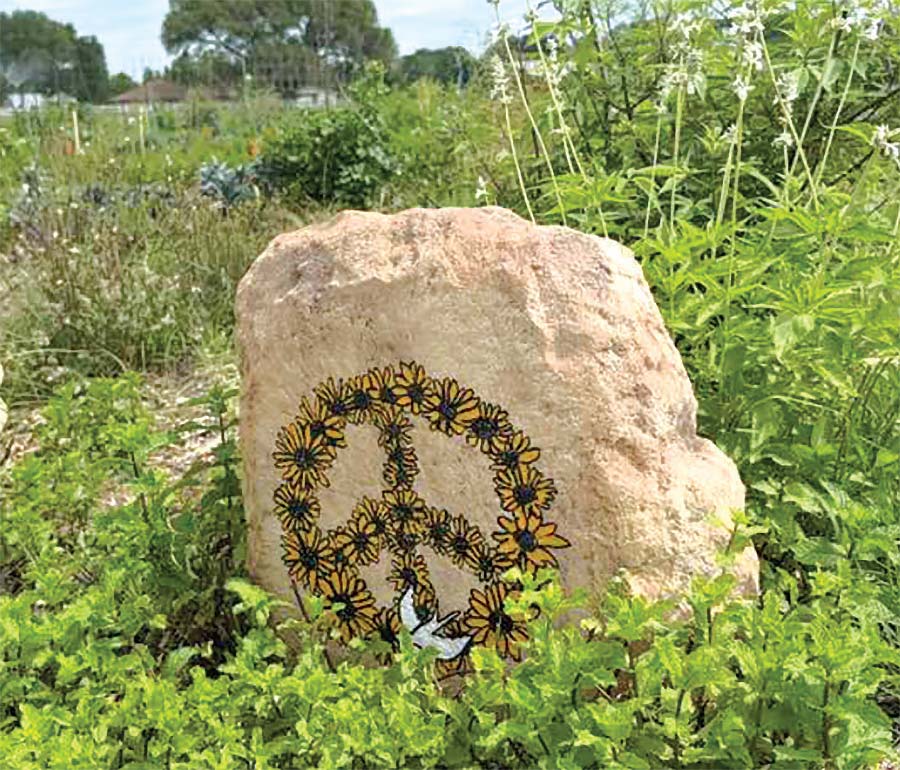
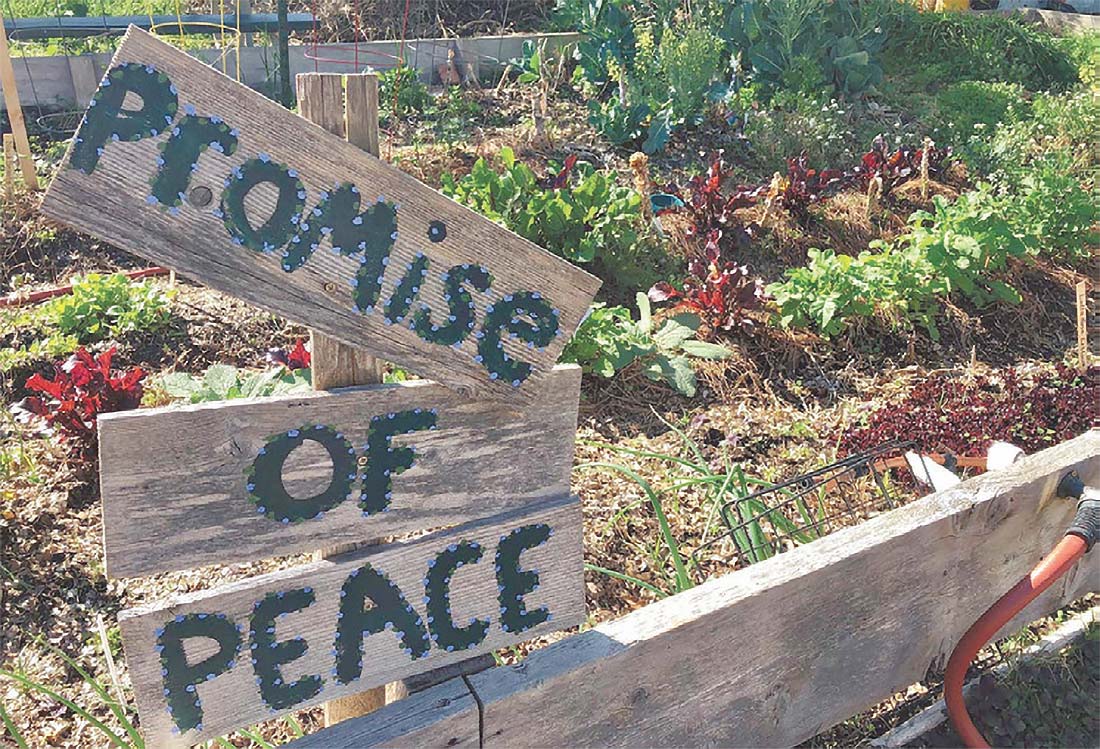
Behind the pageantry is 17 years of hard, patient work. Elizabeth is the founder of Promise of Peace Gardens, a nonprofit that has built 19 food farms serving children and families, beginning in East Dallas and, since 2023, rooted in the small East Texas town she now calls home. She came to this calling after four decades as a teacher and principal, driven by a simple, stubborn conviction: children cannot learn when they’re hungry.
Elizabeth builds her gardens individually: by showing up, listening and turning over stones. Every farm has been co-constructed with local folk and local resources. In Mineola, that meant meeting with the school superintendent 48 times over three years. He eventually offered her 14 acres north of the baseball stadium. In 2024, Promise of Peace broke ground on a farmto- school operation whose harvest now feeds Mineola ISD students through their school cafeterias.
“I think we’re supposed to grow this food and save the seeds and celebrate it and share it. We have gotten away from that. And we need to come back to it.”
PHOTO COURTESY OF PROMISE OF PEACE GARDENS
The results, over nearly two decades, have been remarkable. In East Dallas, she hired parents from neighboring subsidized housing as farm managers; within six months, about 20 families were growing their own food. Some got off medication for diabetes and high blood pressure. In West Dallas, she worked with first-generation English speakers — and every single one went on to college, crediting the confidence they’d built in the garden.
Many in Dallas knew Elizabeth early on for Okrapalooza, an abundant-crop fundraising festival with local chefs, and for producing the first Dallas farm-to-table dinner, with everything sourced within 100 miles.
This spring, Elizabeth was named East Texas Remarkable Woman of 2026, then placed in the national top five. She went to Nashville. Then Hollywood. “Who moves to Mineola,” she asks, laughing, “and goes to Hollywood?” She’s not done: She’s developing master classes, involving the children themselves, to share what she has learned.
She is, at her core, a true believer. “I think we’re supposed to grow this food and save the seeds and celebrate it and share it,” she says. “We have just gotten away from that. And we need to come back to it.”

EVE HILL-AGNUS teaches English and journalism and is a freelance writer based in Dallas. She earned degrees in English and Education from Stanford University. Her work has appeared in the Dallas Morning News, D Magazine, and the journal Food, Culture & Society. She remains a contributing Food & Wine columnist for the Los Altos Town Crier, the Bay-Area newspaper where she stumbled into journalism by writing food articles during grad school. Her French-American background and childhood spent in France fuel her enduring love for French food and its history. She is also obsessed with goats and cheese.

As a kid, TERRI TAYLOR refused to eat her vegetables. Her veggie-phobia was cured in 1977 when she spent eight months working on farms in Norway and France. She studied journalism at UT-Austin and received a master’s degree in liberal arts from SMU. Her short story “Virginia” can be found in Solamente en San Miguel, an anthology celebrating the magical Mexican town of San Miguel de Allende. She has written for Edible DFW since its inaugural issue in 2009. She became the magazine’s editor in 2010 and is the editor of Edible Dallas & Fort Worth: The Cookbook.