
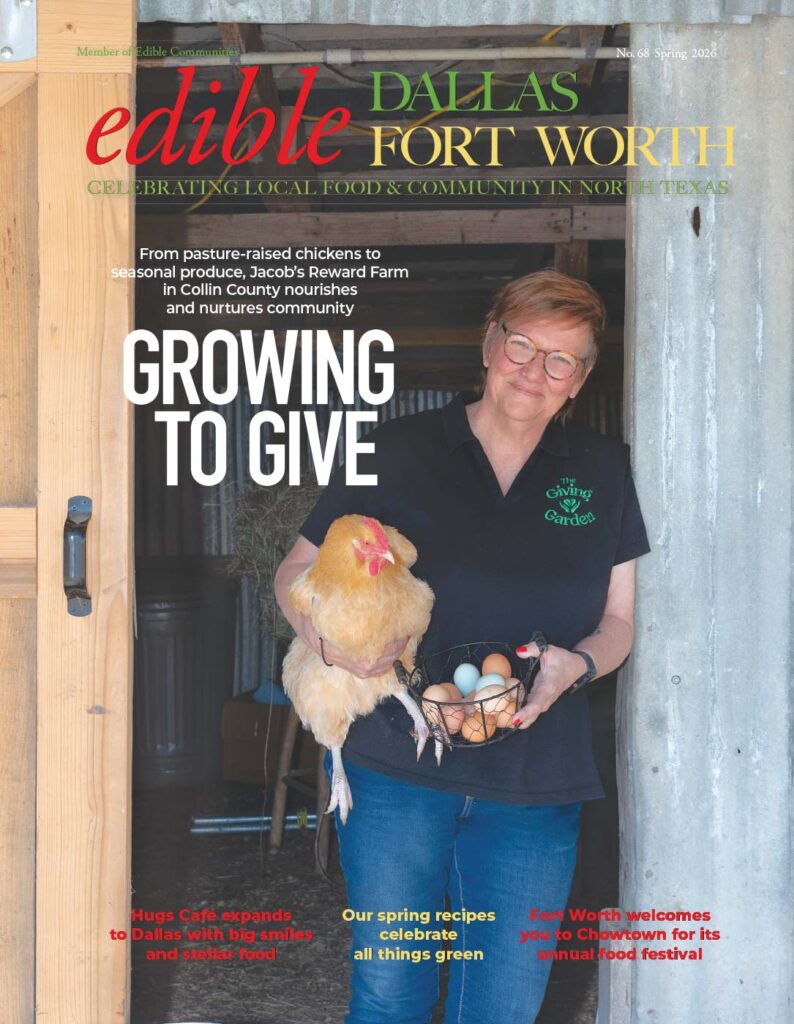

Cindy Telisak and her dedicated team harvest hope at Jacob’s Reward Farm
PHOTOS BY TERESA RAFIDI
Tucked into a flood-plain in Parker, north of Dallas, a small nonprofit farm is growing more than vegetables — it’s growing food security for neighbors in need.
Weary of living in suburban sprawl, Cindy Telisak and her husband were drawn to a life in the countryside. In 2004, they found a 4½-acre property that backed onto a drainage creek in Parker, Texas. A few old structures were scattered on the site. And yes, they got it “dirt” cheap.
Because the property sits in a flood-plain, building codes were strict. The existing structures were grandfathered in, but if one was torn down, it couldn’t be rebuilt. The couple had to get creative with existing secondary buildings plus the 900-squarefoot main house built in the ’50s. After a year of renovating and reconfiguring the rooms, they moved in.
KNITTING A COMMUNITY
Cindy envisioned a wool-sheep farm. Her mother-in-law had taught her to crochet and knit, inspiring a love of yarn crafts, and she called on her friend Ron Miskin of The Buffalo Wool Co., based in Weatherford, to spark ideas.
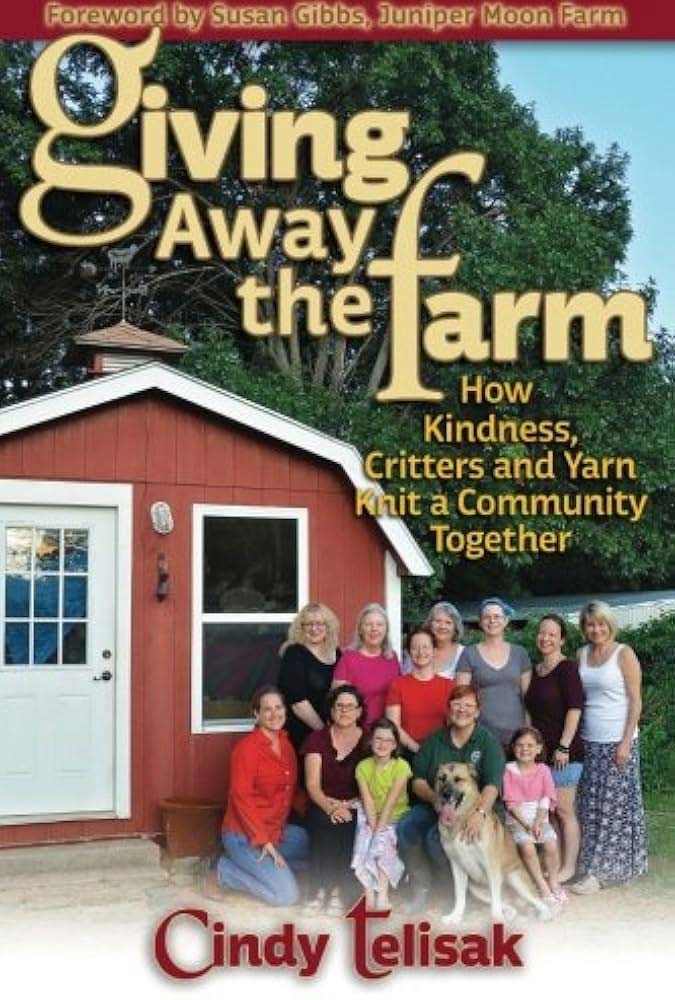
Within a few years, an endearing, motley crew of Jacob and Gulf Coast Native sheep were at home on the farm, along with chickens, ducks, working dogs and, eventually, alpacas. The building Cindy dubbed The Little Red Barn became a gathering place focused on all things fiber-related: spinning, natural dying, weaving, plus frequent teaching events including sheep shearing. For 12 years, Cindy built a thriving community of spinners, knitters and fiber artists. She also pioneered the original DFW Yarn Crawl and wrote a book about her farm and fiber community (see sidebar). “During those years I wore myself out trying to do it all,” she says. “It was really fun, though. We had a few helpers, and we created one of the great annual yarn events in the DFW area.”
Not wanting to burn out, in 2015, Cindy rehomed her alpacas to a family in Argyle. What remained were sheep, rabbits, laying hens, ducks, dogs and, of course, the fiber community.
Then came COVID. The fiber group was forced to disperse; a dozen people spinning and laughing in a tiny shed wasn’t feasible anymore. Around the same time, she lost the last of four dogs that had guarded the sheep, ducks and free-range hens. Almost overnight, the animal-centered farm she had built for more than a decade came to an end. What was emotionally hard for Cindy turned out to also be a relief. She needed a change.
A FARM IS BORN
But a few years later, the itch came back. “Here I was with this beautiful property that was clearly meant to be shared,” Cindy says.
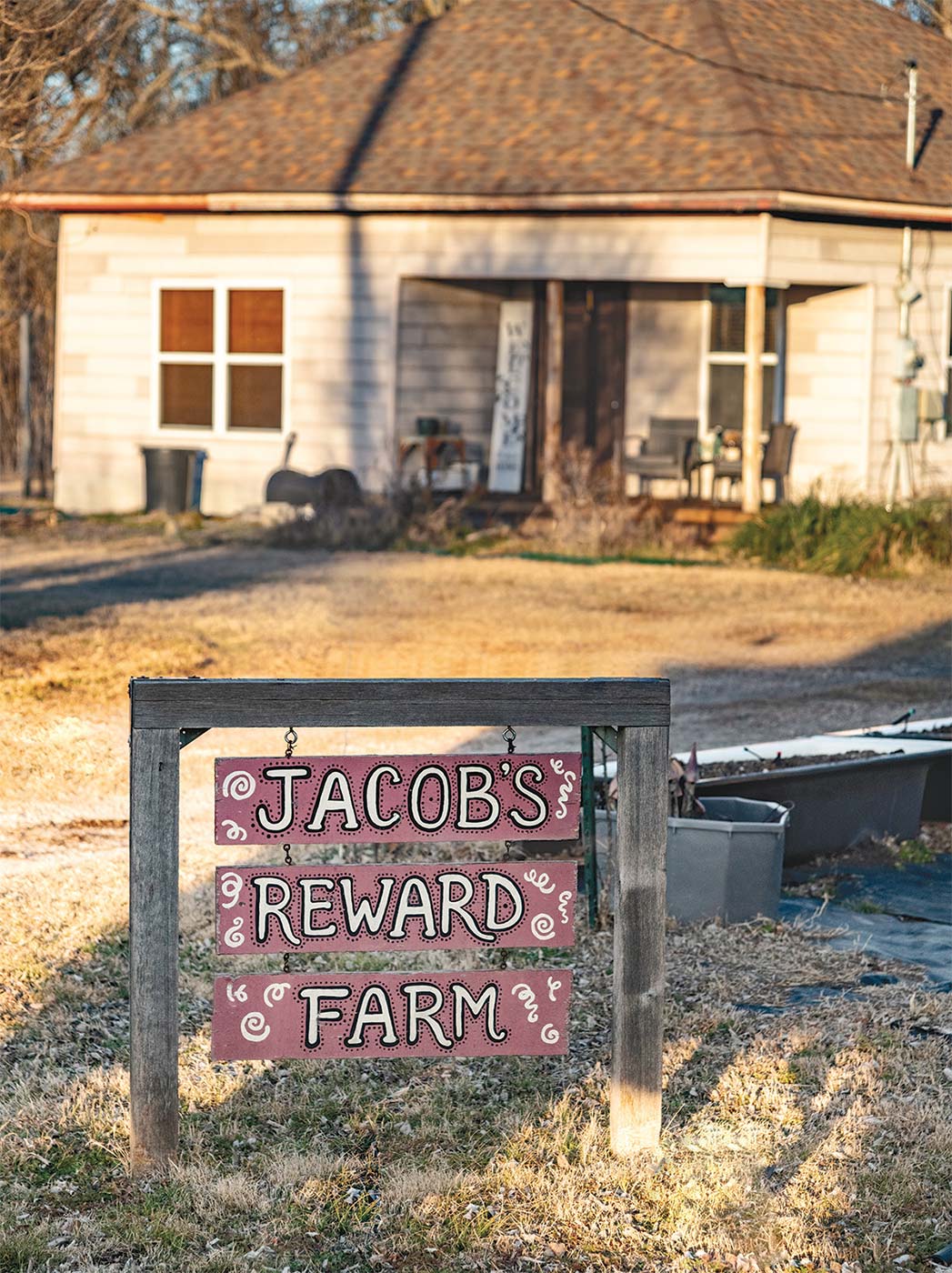
Food insecurity ranks high in Collin County, affecting working families, children, veterans and seniors alike. Believing that caring for neighbors in need is part of faithful stewardship, Cindy and a few friends considered options, prioritizing food donations. In late 2022, the nonprofit The Giving Garden at Jacob’s Reward Farm was born. It marked the shift from fiber animals to feeding neighbors. The farm takes its name from the spotted Jacob sheep Cindy once raised, a rare breed with biblical roots. Now it would be about giving.
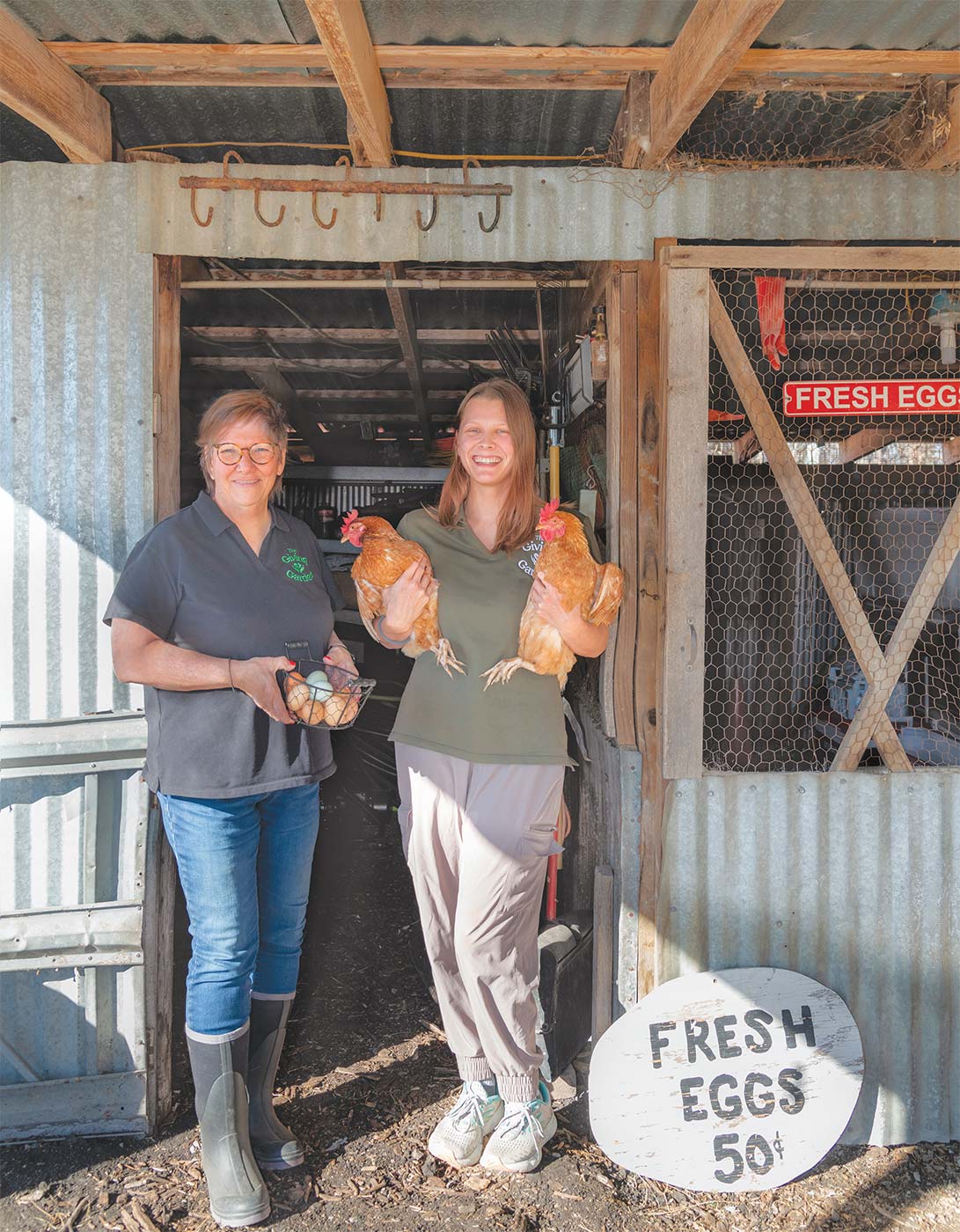
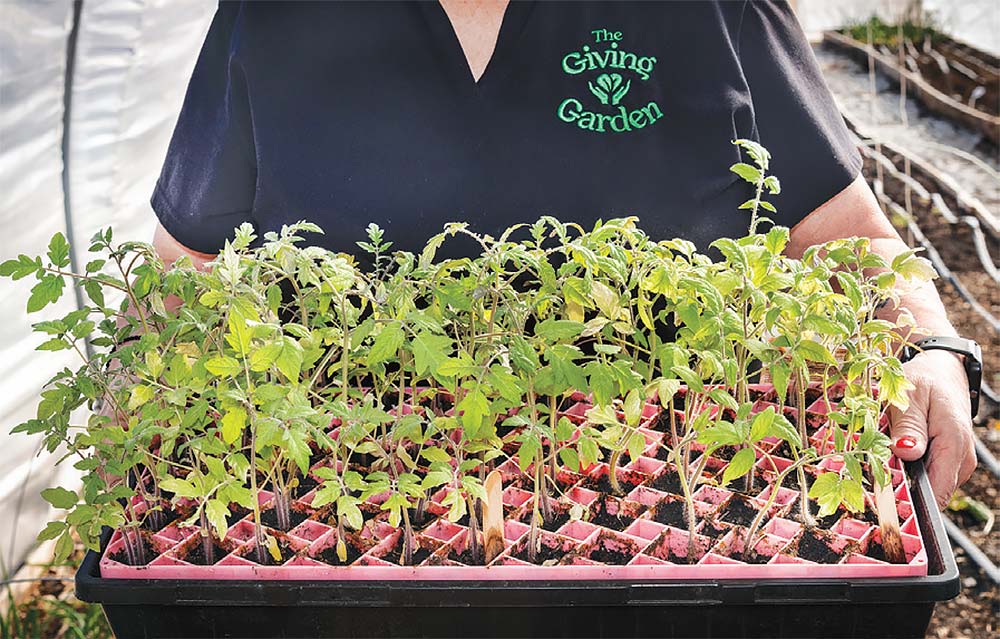
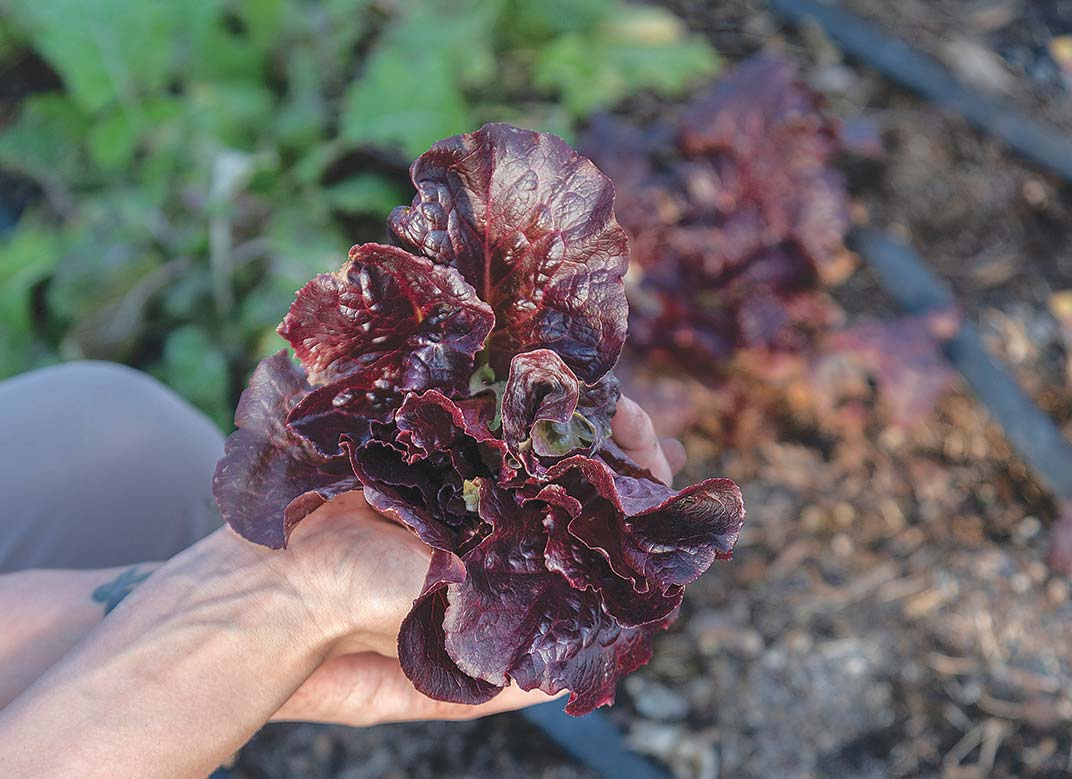
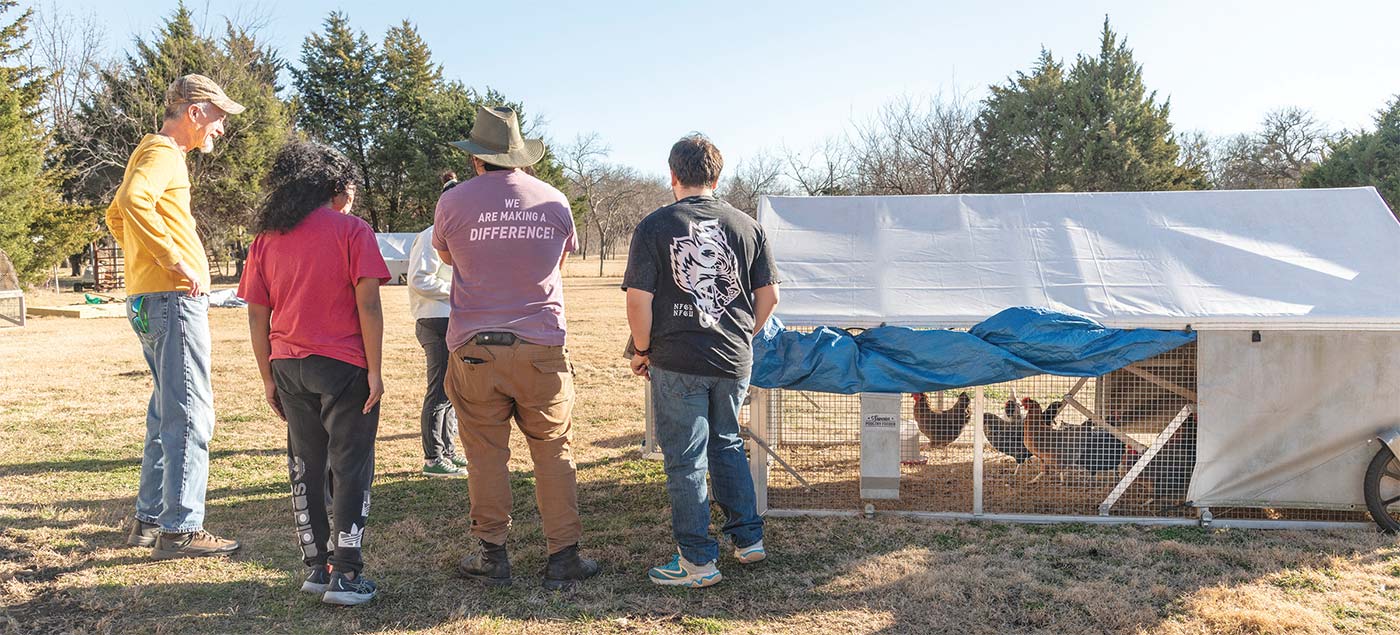
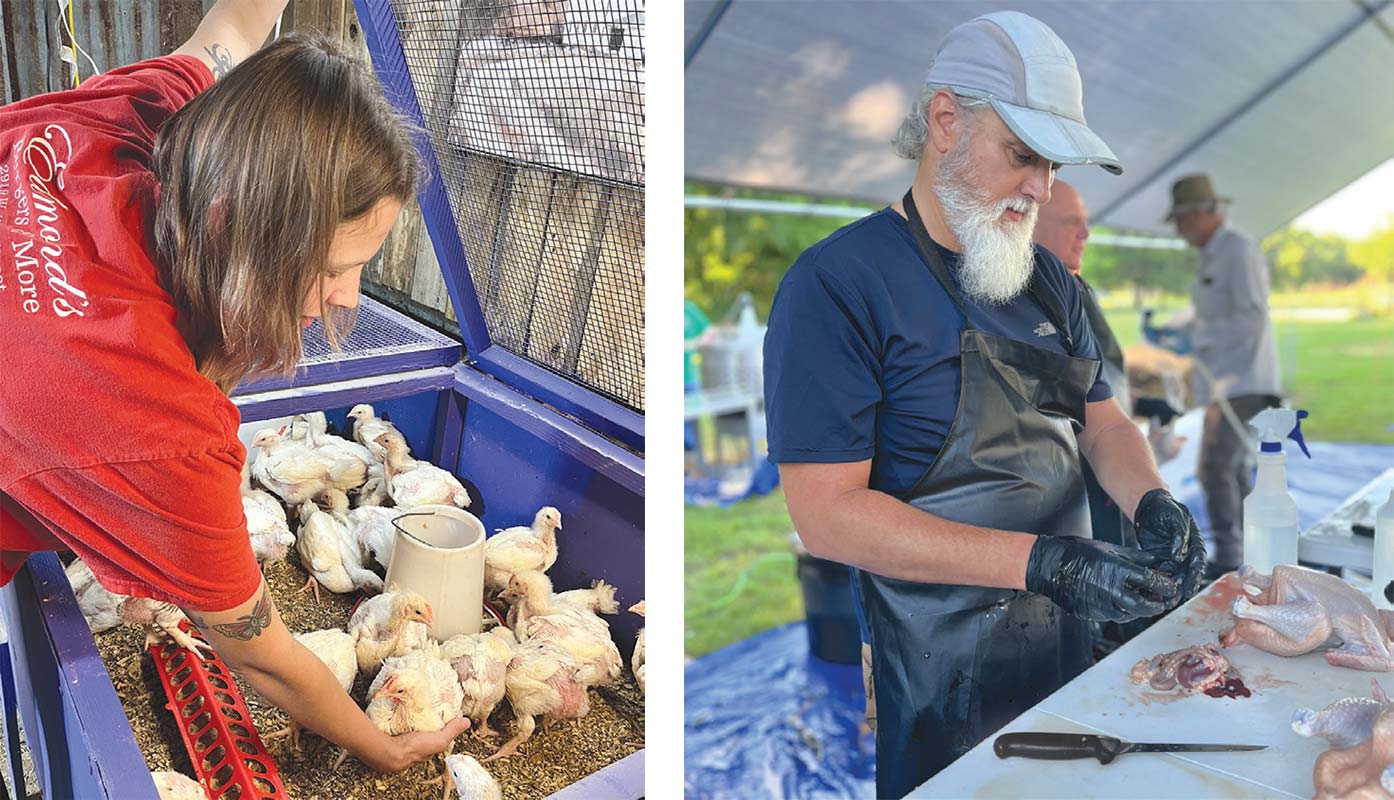
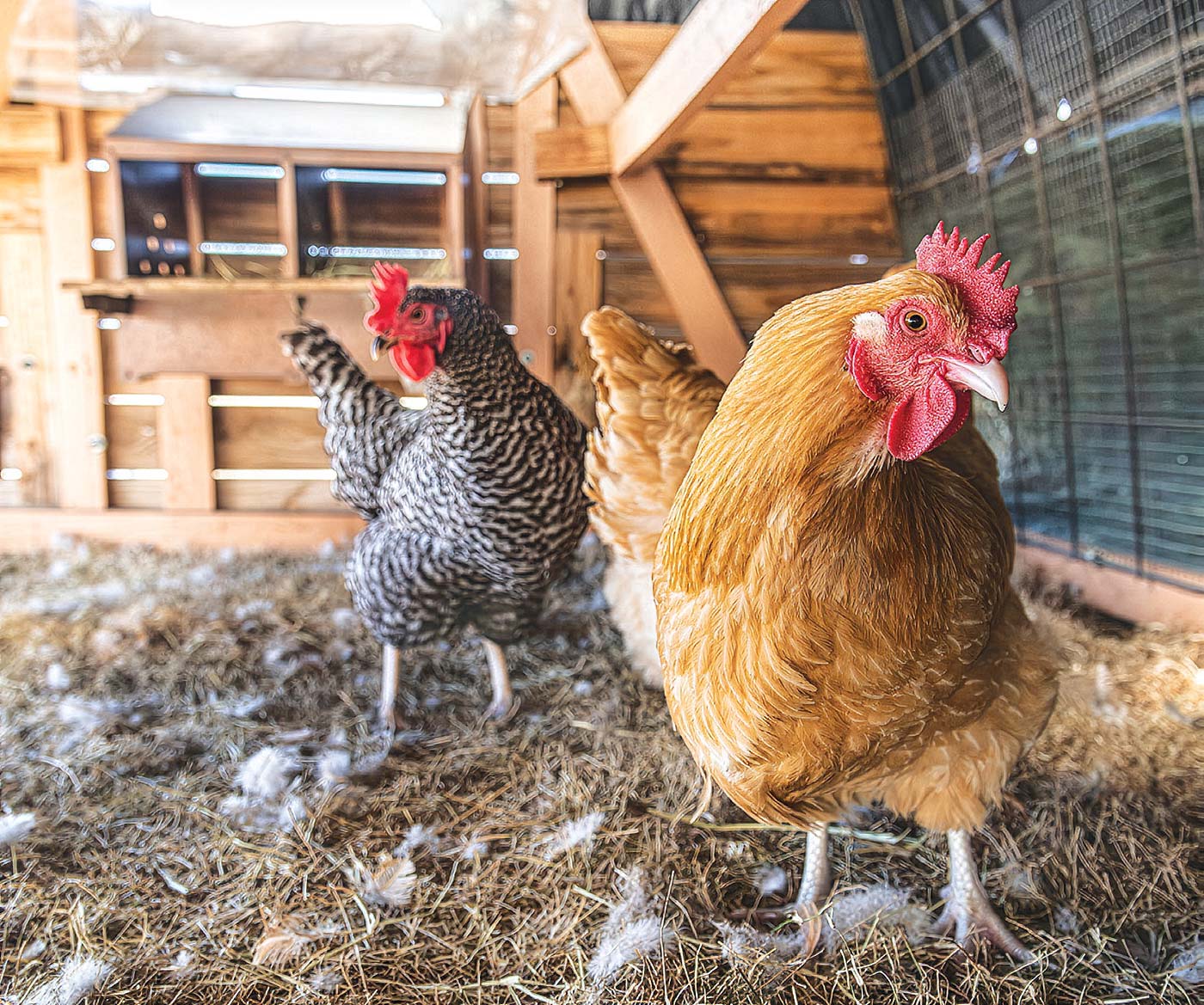
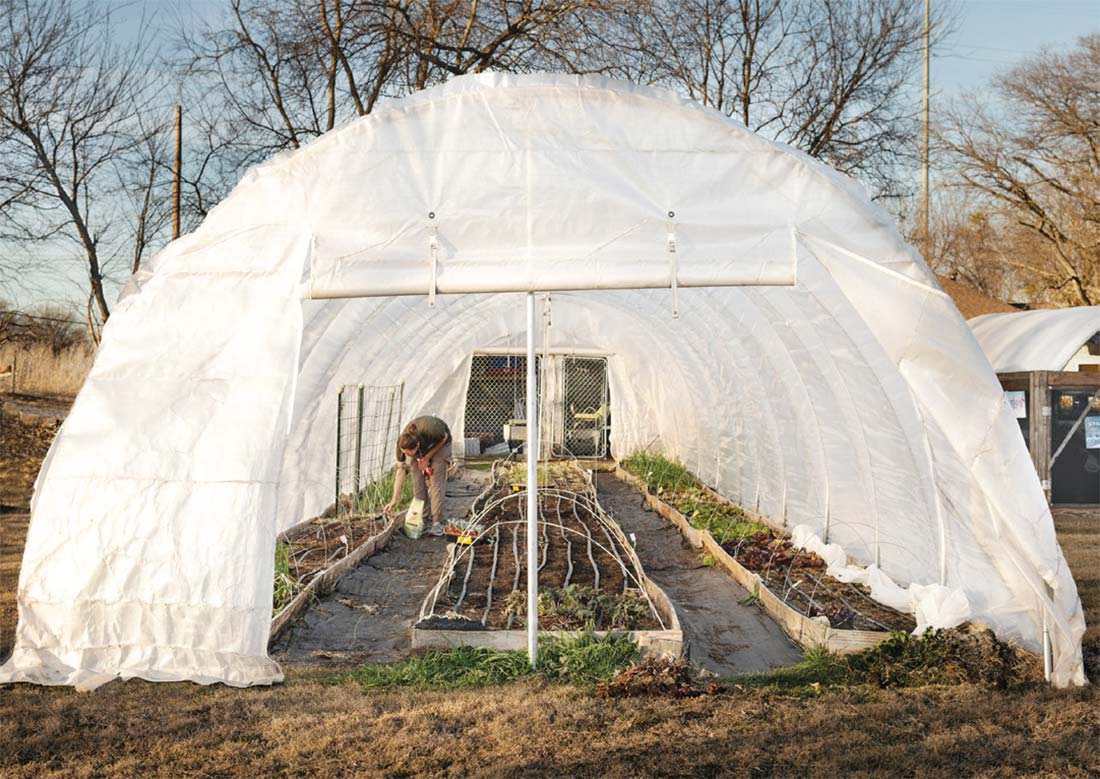
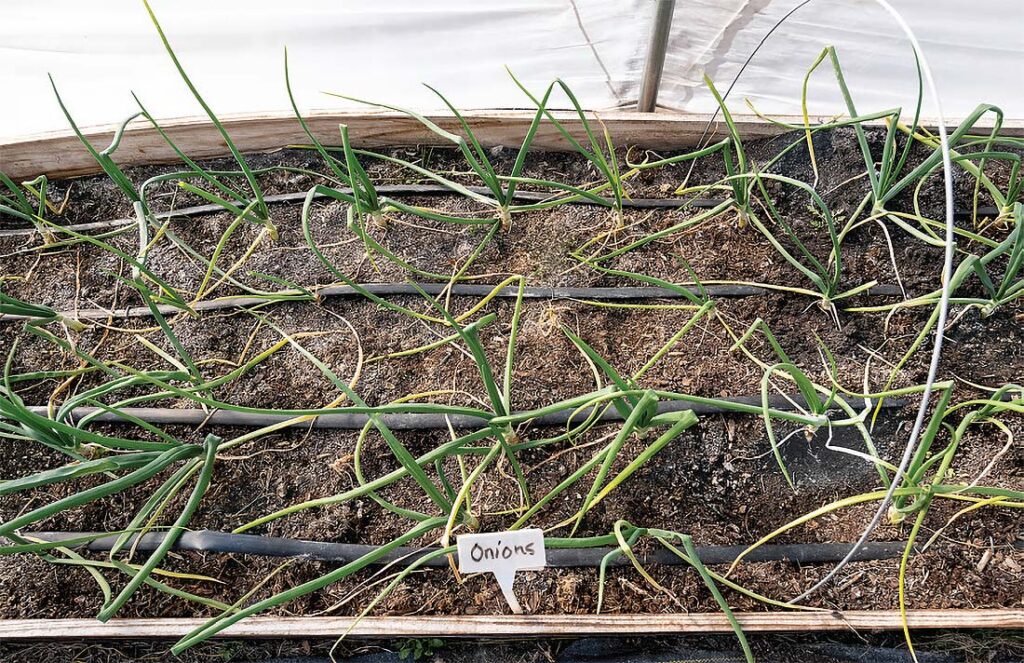
The following year was full of learning. Cindy and others on the team attended conferences and tried out different growing systems. The best option: The Giving Garden decided to grow vegetables both in containers and an inground no-till space, with a 60-foot greenhouse tunnel to extend the growing season. Broiler chickens were added to the operation, raised on pasture and housed in mobile chicken coops with no need for guard dogs. Birds were processed quarterly on the farm by volunteers in an educational community setting. A small laying flock rounded out the offerings with fresh eggs.
SCALING UP
When Cindy needed definitive answers about donating their chicken meat, she called Judith McGeary, attorney and executive director of the Farm and Ranch Freedom Alliance, a nonprofit organization that advocates for small farmers at both the state and federal level. Unlike chickens sold directly to customers, birds destined for donation had to be processed at a USDA-inspected facility.
Cindy needed to double the number of birds she had planned to raise each year, from 300 to 600: half would be processed at a USDAinspected facility to be donated, and the rest processed and sold on-farm to cover the new processing costs for the donated birds. A bigger climate-controlled space would be required to raise the birds in their first three weeks of life, when they are tiny and vulnerable. Plus, twice the tractor space was needed to raise them out on the pasture from weeks four to eight.
Cindy imagined a solution: a finished-out shipping container with AC and heat — secure, insulated and climate-controlled — to house the youngest chicks. Thanks to a generous donor, a 40-foot shipping container was recently delivered and the transformation has begun.
The new structure will feature a brooder room to accommodate 150 chicks at a time (twice the number in the drafty barn), climate-controlled feed storage and a climate-controlled work area to hold freezers and work tables. This capital improvement is set to be a game changer.
The goal with the pastured poultry, eggs and fresh vegetables was an operation without chemicals, additives or preservatives: just clean, nutrient-dense food. The Garden’s educational component became central, nurturing future farmers and gardeners—aiming to improve food systems and the environment with sustainable, regenerative agriculture. With the help of a crew of volunteers, the eggs and produce are harvested, sorted and distributed weekly to three nonprofit charity partners that, in turn, distribute to their food-insecure clients.
CULTIVATING LEADERS
There are now three “satellite” gardens off site that model and teach healthy food production. Many volunteers return time and again for the joy of community, and the satisfaction of cultivating healthy food for hungry neighbors. “We build, grow and guard a nurturing culture of welcome, hospitality, belonging and family. You know when you leave here that you’re part of something meaningful, and you’ve made a difference in people’s lives,” Cindy says.
Sometimes, a volunteer shines. Lynn fell in love with the farm and even challenged herself to attend chickenprocessing days. She returned almost every Saturday for months, and Cindy gratefully made her a volunteer farm manager.
In addition to hundreds of volunteers, many Eagle Scouts help with major projects, from rainwater catchment to the construction of a cold-room, barn doors, compost bins and pollinator gardens. Recently, students from UTD worked on a project to improve water delivery to chicken tractors in the field.
MAKING AN IMPACT
In 2025, The Giving Garden supplied the equivalent of nearly 1,500 meals through donated poultry, vegetables and eggs. Expanded facilities allowed the farm to double its previous year’s output.
In 2026, they aim to double production again, with a goal of donating 2,377 meals of fresh food grown right on the farm with care and shared with love. Twice the chickens, twice the produce and more than twice the impact. The bottom line? More healthy food on the tables of neighbors who need it.
What began as a farm that gathered people around yarn now gathers them around nourishment — proof that the greatest reward isn’t what the land produces, but what it makes possible.
THE GIVING GARDEN
The Giving Garden at Jacob’s Reward Farm is a faithbased nonprofit organization built by people who have a passion for helping others enjoy the bounty of healthy, locally grown food. Learn more, including how to volunteer and how to donate on the website.
the-giving-garden.org
Instagram @givinggardenjrf
GIVING AWAY THE FARM
Published in 2014, Cindy Telisak’s Giving Away the Farm: How Kindness, Critters and Yarn Knit a Community Together tells the story of Cindy’s sheep and alpaca farm and the fiber artists who developed deep relationships there. Through intentional encouragement, support and peace building, this group of friends balanced closeknit friendships with openness and inclusion. Though the scope and purpose of the farm has evolved over time, the spirit that animated the fiber community continues. The same culture of love and giving remains. amazon.com