

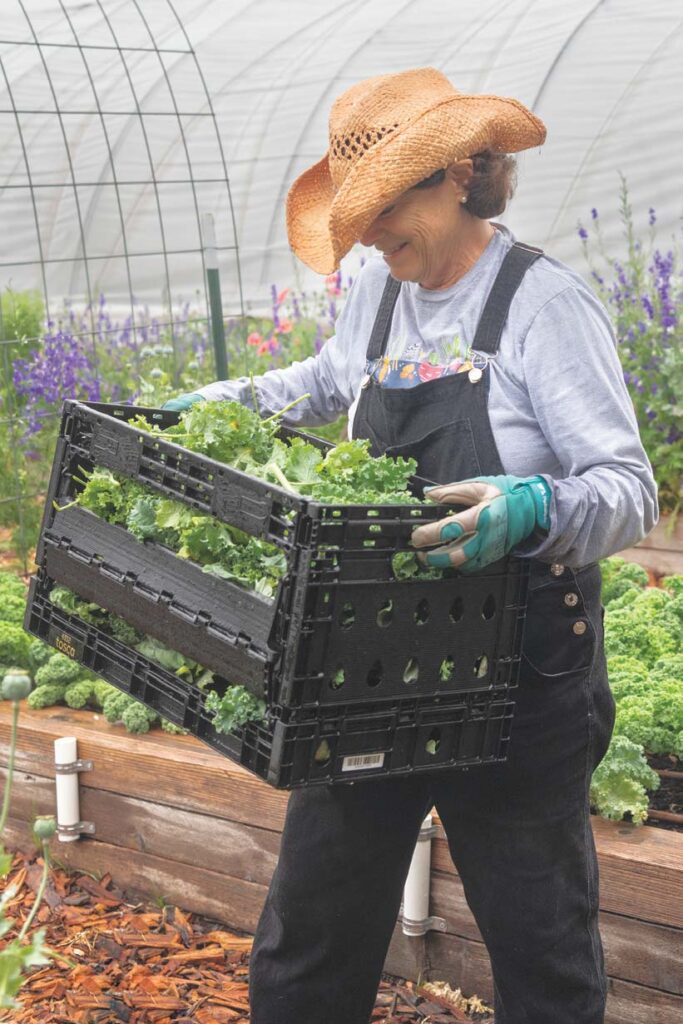
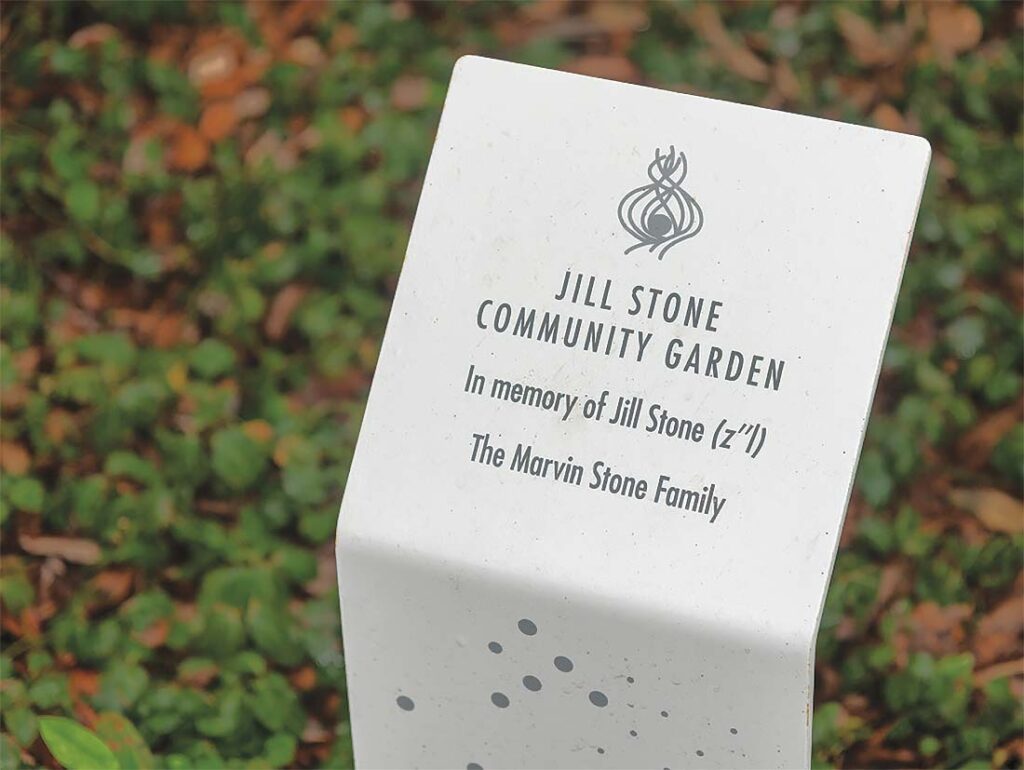
At Temple Emanu-El’s Jill Stone Community Garden, fresh produce and shared soil offer refuge — and rootedness — to all who arrive.
Julie Ratner, a distinctive figure in pearls, overalls and straw hat, is one of approximately 30 regular volunteers from Temple Emanul-El.
PHOTOGRAPHY BY TERESA RAFIDI
Every time I land somewhere, I look for the same three things: Somewhere to serve, somewhere to touch the earth and people who will let me belong. I learned this through my lifelong practice of seva, the quiet everyday service that shaped my upbringing in the Shia Ismaili community, a sect of Islam that upholds values of community rootedness and pluralism.
When I returned to Dallas after nearly a decade of working elsewhere, the Ismaili CIVIC newsletter inviting me to “Join us this Earth Day to support the Jill Stone Community Garden” delivered a chance to put my hands back in the soil, to re-enter in a deeply meaningful way.
The Jill Stone Community Garden was established in 2011 to fulfill a need for fresh food in an under-resourced part of the city. Only 2 miles from the garden, Vickery Meadow has long been the first stop for those arriving from places where they faced hardship and destitution. The neighborhood is a resettlement hub for refugees and immigrants from more than 150 countries, often residing in aging apartment complexes. For families marked by displacement, Vickery Meadow offers the chance to begin again among others doing the same. You see it in the storefronts: grocery stores and hole-in-thewall restaurants serving Afghan, Cambodian, Venezuelan and Syrian communities. The Jill Stone Garden fills a gap within this ecosystem.
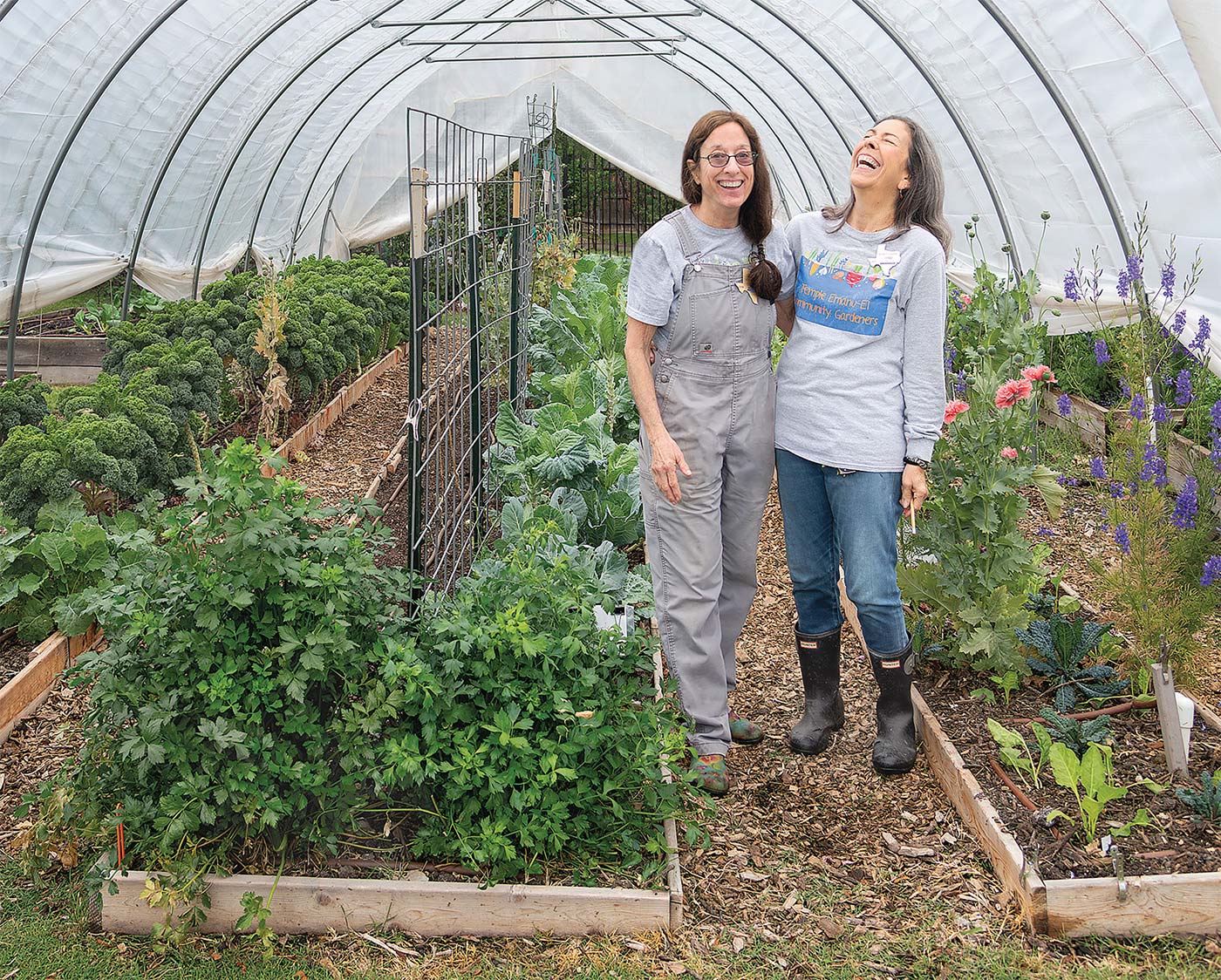
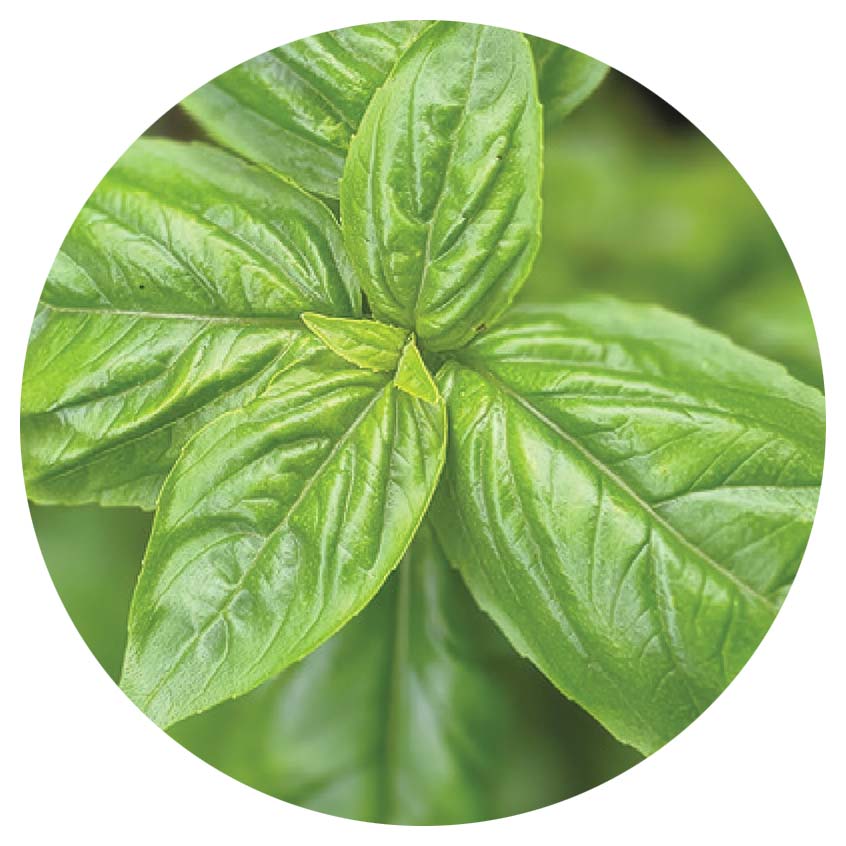
Like many who pass through this neighborhood, I arrived carrying my own version of elsewhere. In April 2025, after 10 years abroad working on various humanitarian projects, I returned to Dallas with a new job and a desire to reconnect with this city. I went to the garden to meet new people, and left with vivid memories of the serene landscape, the warm glow of the early morning sun, and the chatter of two passionate stewards of the garden: Lori Droppo and Wendy Leanse. That hot May morning, we mulched a new patch at the front of the garden. I was rewarded with two basil plants as a token of solidarity and appreciation. Lori nudged the plants into my hands, insisting that I take them home as a gift for my mother, who loves to garden.
One year later, I returned to the Temple Emanu-El grounds to visit the garden, named in honor of a beloved educator and member of the congregation. This time, it was a peaceful Wednesday morning, when Wendy and Lori typically do the midweek harvest. They want to ensure that they are abundantly stocking the Vickery Meadow Pantry with fresh produce on each of the days it’s open: Wednesday, Thursday and Saturday. On Wednesdays, the pantry typically has grab-and-go bags of fresh greens while Saturdays are reserved for a slower paced “farmers market” concept where community members can pick and choose more delicate produce.
Hurriedly, I arrive on an early spring morning and place my things on a wrought iron bench, polished and glistening from the various volunteer hands that have brushed it. I am greeted by the newly installed high tunnel in the front garden, now lush with the last of the winter produce: celery, small red cabbages and thick bunches of dinosaur kale, some of which are already blooming delicate yellow flowers that smell like fennel.
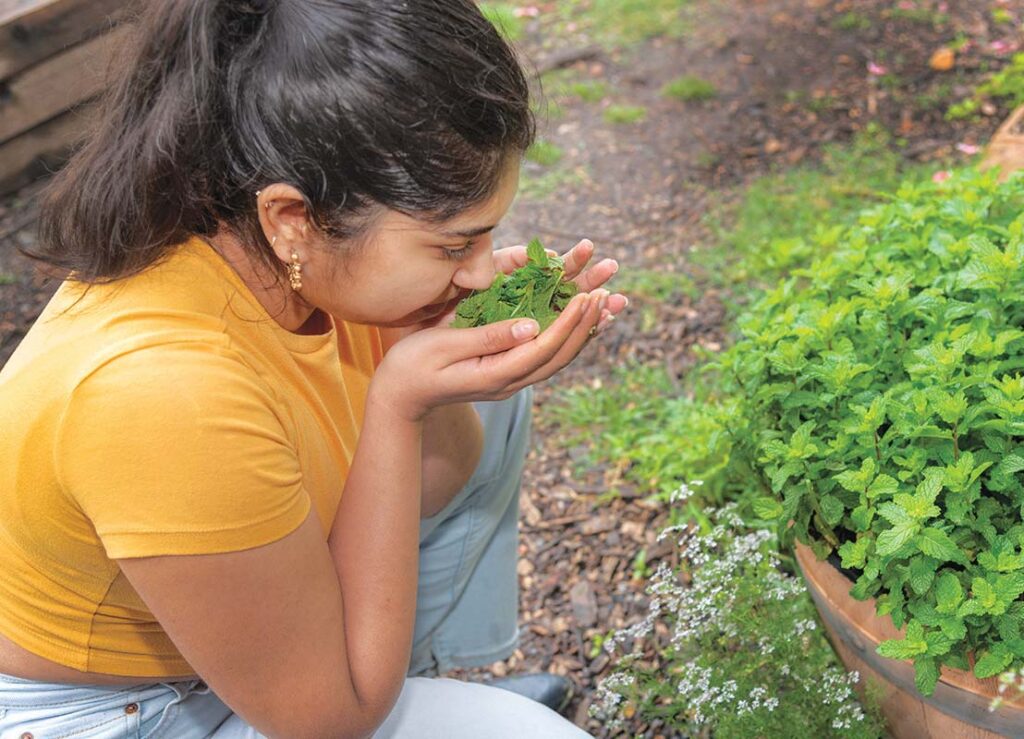
I can almost hear the wind in the silence of the front garden. Judy Ratner, one of 30 regular volunteers from the temple congregation, greets me with a welcoming smile, her cowboy hat casting a shadow over small, careful pearl earrings. She guides me to the back garden where Wendy and Lori are tending to sprouts in the greenhouse, ready to plant summer: tomatoes, long beans, cucumbers and eggplant. The basil plants are planted first. They create a border around each garden bed, perfuming the garden and masking the earthy smell of fresh compost. I notice the giant heads of tatsoi in the corner bed, the bright purple larkspurs behind them also catching my attention. Wendy leans over next to me: “These have been really in demand at the pantry alongside our large harvest of pak choi. We have noticed the joy it brings people at the pantry when they see something familiar, especially the community members with roots in Southeast Asia,” she says. What grows in this garden is not only what belongs to Texas, but also what is needed by the people who now call it home.
Although we haven’t seen each other in over a year, Lori remembers me and gives me a warm hug. Walking me around the garden, she mentions she is especially pleased with the way the high tunnel has increased the garden’s yield. Over the last decade Lori and Wendy have poured their love for growing things, their expertise as certified Master Gardeners, and their Jewish values of Tikkun Olam (to mend the world) and Tzedakah (to give what one can) to transform this small garden into a USDA designated urban farm.
Lori recalls how, in 2011, Rabbi David Stern underscored the proximity between the temple and Vickery Meadow, reminding the congregation that Jewish teachings leave no room to ignore hunger so close to home. Since then, Lori and Wendy have worked to make this garden the place where congregants get to practice those values.
In my own Shia Ismaili upbringing, the language was different — seva, zakat (giving to the needy) — but the impulse felt identical: an inherited responsibility to care for others that led me, almost instinctively, to this same patch of soil.
Just last year, the garden produced more than 10,000 pounds of fresh produce for the Vickery Meadow Pantry. In this corner of Dallas, where fresh produce isn’t readily available, the garden and its community have become an anchor. As families move through Vickery Meadow, many arriving with their own food traditions and memories of home, Lori and Wendy pay attention.
“For summer, we added Suyo Long cucumbers and Armenian cucumbers. With the increase of Afghan refugees at the pantry, the pale green Armenian cucumbers bring delight and familiarity for the residents so far from home. Plus, they grow quite large and can last a family the entire week,” Lori says.
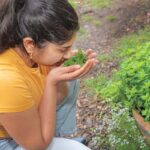
I lean in, brushing the curly vines between my fingers, their faint, grassy sweetness rising up. All of a sudden, I’m back in the gardens of Bonn, Germany, where I spent a few summers volunteering with the international community.
I love this place and what it stands for, even if belonging here takes work. As the only Muslim woman on Jewish temple grounds, inclusion can feel uncertain at times — but then again, so much of this neighborhood is built on people learning how to belong — across difference, across doubt.
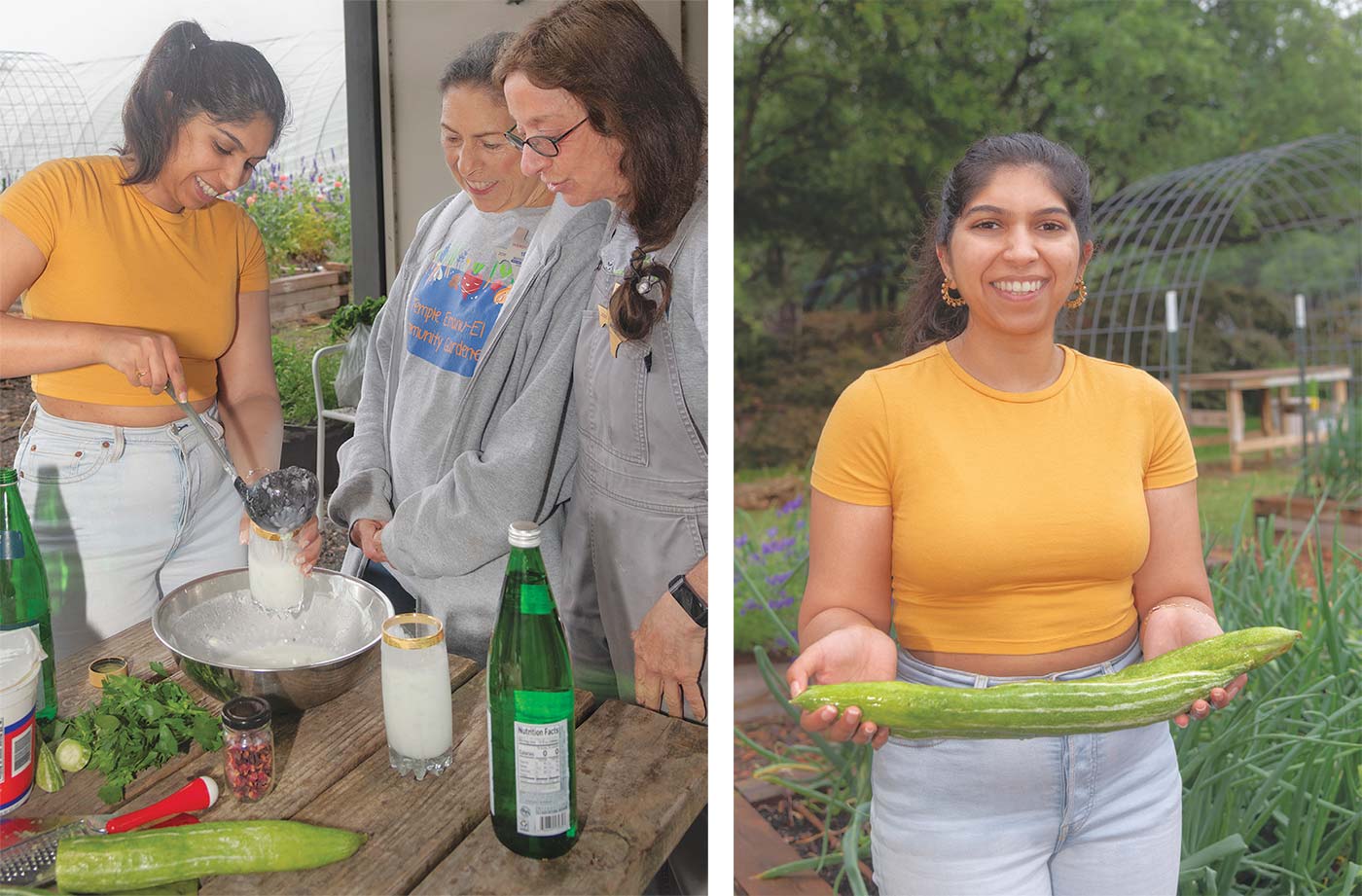
Many of the Afghan residents there plucked the hefty cucumbers to make cooling, creamy doogh for all the volunteers. It is a popular summer drink in Afghanistan and became a staple during our shared Saturdays. Nooria, who had come to Germany only three years prior, helped her father grate the cucumber over a large stainless steel bowl, its juice seeping into the wooden bench. Her father, Ifthikhar, brought his wife’s fresh, homemade yogurt to pour into tall glasses with soda water while we toiled away removing weeds and clearing overripe fruit. He chatted with the other volunteers as he worked, hands never still, returning again and again to stories of summer meals with his family: rice, slow-cooked meat and something cool to drink alongside it. He liked to warn us, with a half-smile, that doogh had a way of making you drowsy, so we learned to wait until the work was done. Only then would we gather around, dipping our spoons into the bowl, slowly swirling until the thick curd loosened and disappeared, leaving behind something light, tangy and refreshing in the summer heat.
On my second visit to the Jill Stone Community Garden, I used Ifthikhar’s recipe to make doogh for all the volunteers. The garden’s seasonality was in a state of flux. As I walked through, some unexpected candidates grew alongside the usual Texas summer suspects: snake and bitter melons. Their smooth green and white bodies curved through the delicate stems of sweet, hot peppers.
I asked Lori when they started growing them, and for whom. She laughed, unbothered, saying, “You don’t really expect a white woman like me to know bitter melon, do you?”
There was no performance in her easy acknowledgment of the sharing that arises here. She told me that through her ongoing conversations with the Vickery Meadow Food Pantry coordinator, she and others at the garden learn what to grow, shifting season to season along with the people who pass through. If you look closely, you begin to see the choreography: what gets planted, what is given space. The eggplants, in all their shapes and shades, disappear quickly, claimed by almost everyone. The makrut lime leaves might linger a little longer, their sharp, citrusy perfume waiting for the few who know exactly what to do with them.
These plants summon memories of home for those making a new home in Texas.
After nearly three hours of harvesting, planting, chasing ladybugs around the garden and washing and weighing all the produce, many of the volunteers say their final goodbyes. I linger, helping Lori with her tasks before the day’s delivery, and placing half the produce in a nearby cooling shed. “You know you don’t have to be a stranger. You can visit anytime!” she says. I love this place and what it stands for, even if belonging here takes work. As the only Muslim woman on Jewish temple grounds, inclusion can feel uncertain at times — but then again, so much of this neighborhood is built on people learning how to belong — across difference, across doubt.
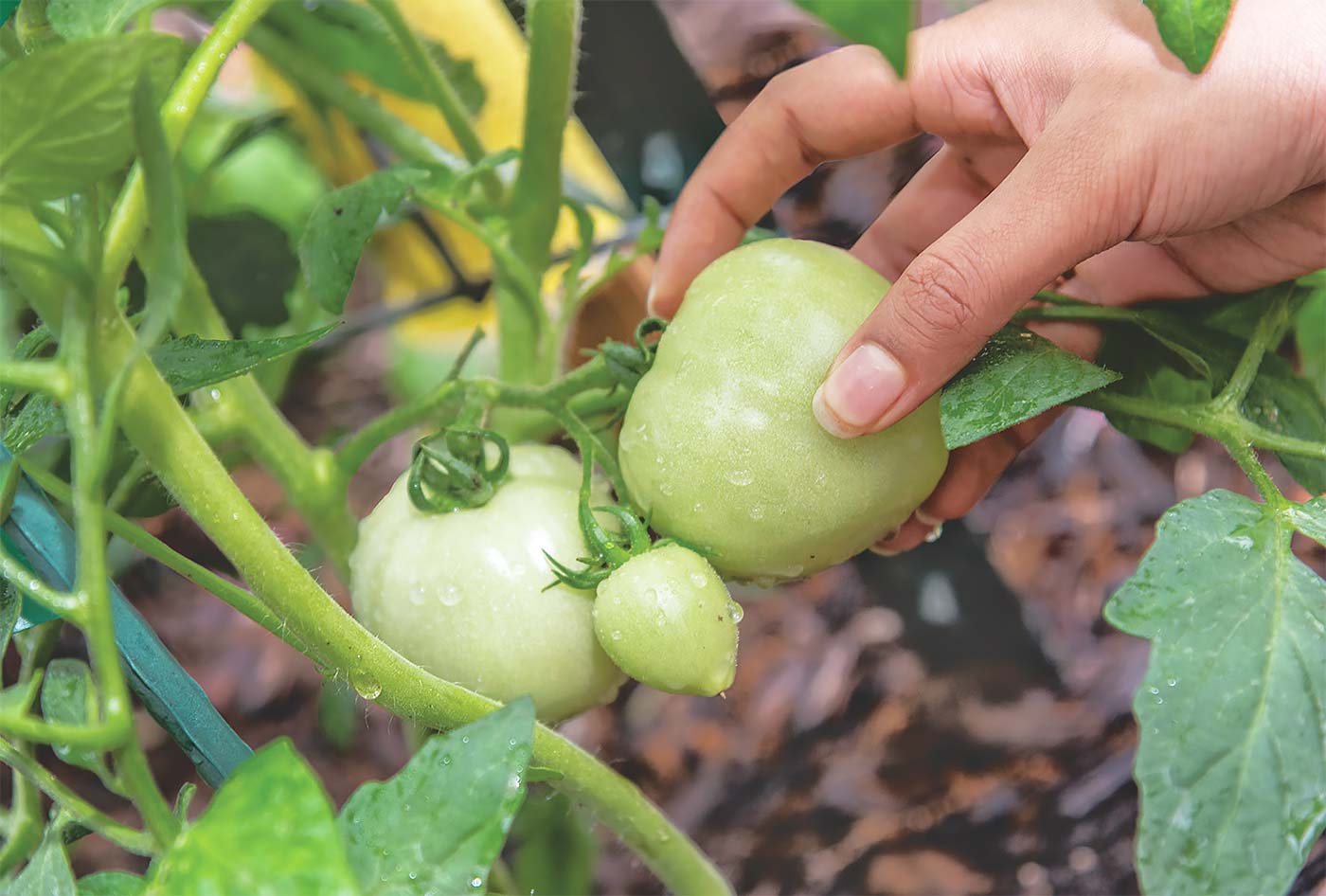
I never leave this garden empty handed, it seems, just as one never leaves a Pakistani home empty handed. This time, Lori gave me three baby San Marzano tomato plants— my favorite. She also handed me two more varieties of basil. The words thank you didn’t feel like enough at this moment. When I brought the basil back to my mother’s garden, she greeted the new arrivals with a smile: “You know, in Islam, basil’s sweet smell blesses your home with the presence of angels,” she said. I’ll be sure to mention this to Lori when I visit next, hopefully not a whole year later this time.
TEMPLE EMANU-EL COMMUNITY GARDEN
To learn more, visit the Jill Stone Community Garden at Temple Emanu-El on any Sunday or Wednesday morning.
8500 Hillcrest Road, Dallas
214-706-0000
tedallas.org
facebook.com/TempleEmanuElDallas
instagram.com/templeemanueldallas
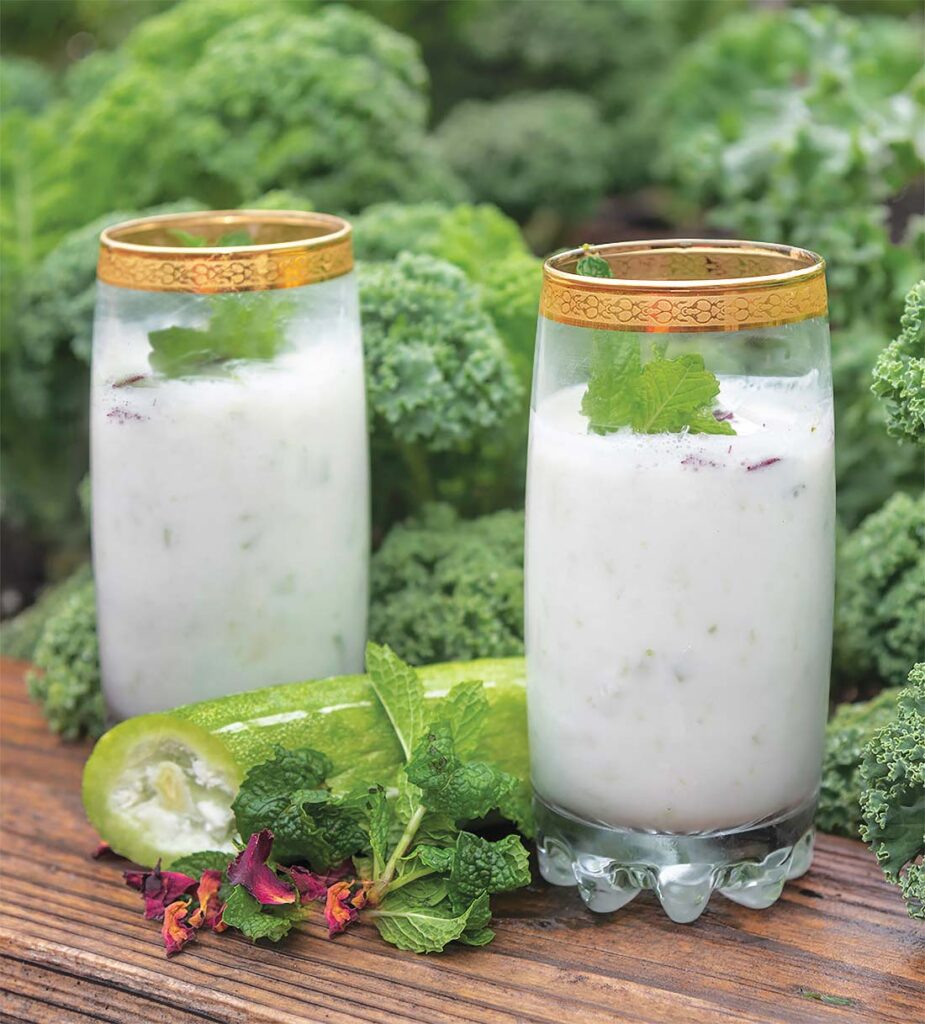
RECIPE
Doogh (Afghan Yogurt Drink)
In true Pakistani fashion, these measurements are approximations. I encourage you to taste as you go and adjust the flavors to your own liking.